Electrophoresis
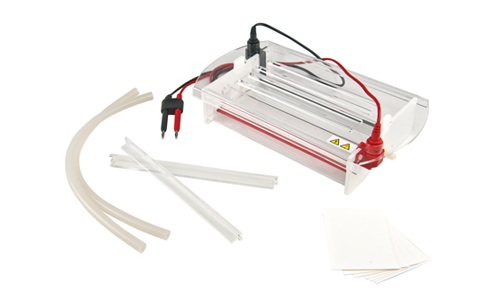
Electrophoresis is a critical technique in the laboratory for the separation of macromolecules such as DNA, RNA, and proteins. It utilizes an electric field to move charged particles through a gel or other medium, allowing for effective analysis and purification.
This separation method is invaluable across various fields, including genetics, biochemistry, and molecular biology. Investing in high-quality electrophoresis equipment can significantly enhance the accuracy and efficiency of your laboratory's research capabilities.
Types of electrophoresis your laboratory may need
Horizontal
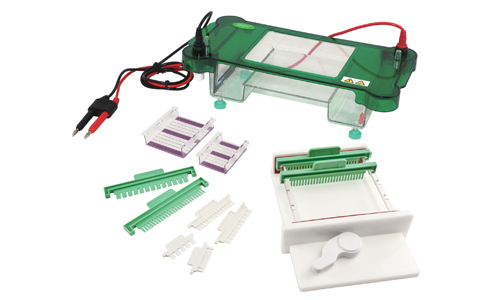
Horizontal electrophoresis systems are ideal for applications requiring the separation of nucleic acids. They provide consistent results and are user-friendly, making them a preferred choice for many laboratories.
These systems are designed to accommodate various gel types and sizes, ensuring versatility in experimental setups. Their reliability in achieving high-resolution separations makes them indispensable in genomics research.
Vertical
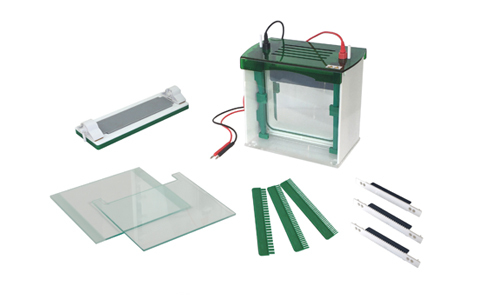
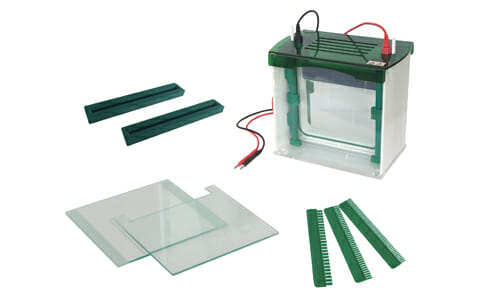
Vertical electrophoresis systems are essential for protein analysis, particularly in the study of complex samples. They allow for efficient separation of proteins based on size and charge, which is crucial for biochemical applications.
These setups are typically more compact and can handle higher voltages, fostering faster separations and enhanced resolution. This makes them a popular choice for researchers focusing on proteomics.
What you should know before selecting a electrophoresis and making an investment
Key factors to consider
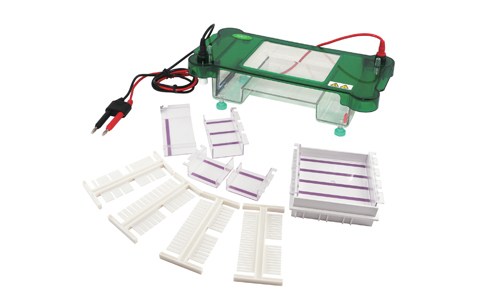
When selecting electrophoresis equipment, consider the type of samples you will analyze, as different systems cater to different applications. Factors such as gel size, voltage capacity, and throughput capabilities can significantly affect your experimental outcomes.
Additionally, evaluate the ease of use, maintenance requirements, and compatibility with other lab equipment to ensure seamless integration into your workflow.
Market price range
The price of electrophoresis equipment can vary widely based on features and capabilities. Basic horizontal systems may start at a lower price point, while advanced vertical systems with enhanced functionalities will typically command a higher cost.
It is crucial to balance your budget with the specific needs of your laboratory to ensure you are making a sound investment that meets your research requirements without overspending.
Value for money
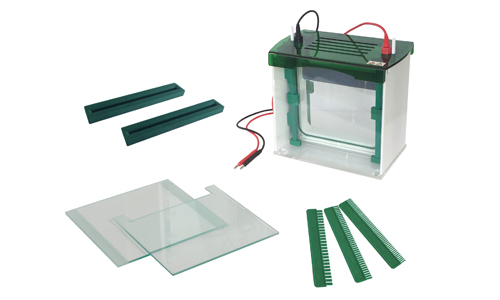
Assessing the value for money of electrophoresis systems involves examining the features offered against the price. Look for systems that provide durability, reliability, and user-friendly interfaces to maximize your investment.
Also, consider the potential for future upgrades or expansions that can enhance the system's capabilities over time, ensuring long-term utility and cost-effectiveness.
Expected lifespan based on use and maintenance
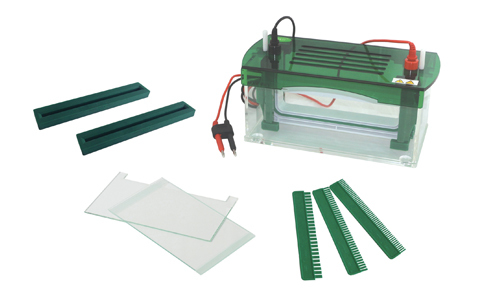
The lifespan of electrophoresis equipment largely depends on usage frequency and maintenance practices. Proper cleaning and storage can significantly prolong the life of your systems, making regular maintenance essential.
Additionally, consider manufacturers that offer warranties and customer support, as this can provide peace of mind and assurance of quality in your investment.
ELECTROPHORESIS KALSTEIN
Discover electrophoresis for your laboratory
Explore our range of high-quality electrophoresis equipment designed to meet your laboratory's specific needs. Our products are built for precision, efficiency, and reliability, ensuring optimal performance in your research endeavors.
Cellulose Acetate Membrane Horizontal Electrophoresis YR03423
The Cellulose Acetate Membrane Horizontal Electrophoresis YR03423 is a highly efficient tool designed for precise electrophoresis processes. Equipped
View productHorizontal Electrophoresis YR03417
The Horizontal Electrophoresis YR03417 is the perfect solution for your DNA and RNA agarose gel electrophoresis needs. Designed with scientists in min
View productRapid SSR Vertical Electrophoresis Tank YR03431
The Rapid SSR Vertical Electrophoresis Tank YR03431 offers a superior method for vertical gel electrophoresis, primarily utilized for protein separati
View productVertical Gel Electrophoresis Cell YR03429
The Vertical Gel Electrophoresis Cell YR03429 is an essential tool for researchers specializing in protein separation. Designed for efficiency and pre
View productOur best-selling electrophoresis
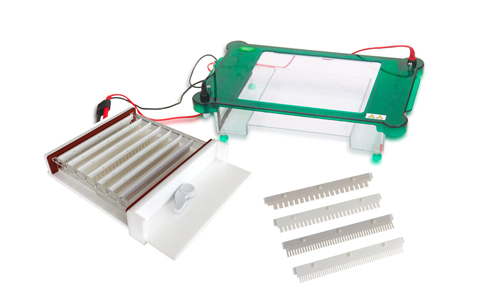
Horizontal Electrophoresis YR03421
Market Price
The Horizontal Electrophoresis YR03421 offers advanced features and competitive pricing, generally ranging from $900 to $1400 in the market. This makes it an attractive choice for laboratories seeking high-quality electrophoresis equipment without compromising budget considerations. For precise pricing, feel free to request a quote from our Kalstein Plus platform where you can also explore automatic quoting options.Frequently Asked Questions
Q: Is the Horizontal Electrophoresis YR03421 suitable for beginners? A: Yes, the unit is designed for ease of use, making it suitable for both novice and experienced users. Q: What types of samples can this model handle? A: The YR03421 supports a wide range of sample volumes, from 19 to 364, accommodating various experimental needs.Advantages and Disadvantages
Advantages: The unit's abundant buffer ensures effective cooling and stable pH throughout experiments. Its removable electrodes facilitate easy maintenance. In addition, the unique gel casting design prevents leakage, enhancing operational efficiency. Disadvantages: A potential downside might be the initial setup, which requires some time for calibration and familiarization for new users, though it becomes straightforward with use.Product Use in Field
The Horizontal Electrophoresis YR03421 is extensively used in molecular biology labs for separation and analysis of nucleic acids. Its design is particularly beneficial for high-throughput environments where efficiency and reliability are paramount. Researchers often utilize it for tasks such as genotyping and sequencing, capitalizing on its ability to maintain stable conditions during experiments.Recommendations
For optimal performance and longevity of the Horizontal Electrophoresis YR03421, ensure regular maintenance checks. Use only compatible gels and buffers to avoid any performance issues. Additionally, take advantage of the removable electrode feature for hassle-free cleaning and replacement, enhancing the unit's durability and efficiency.Features
- Abundant buffer not only guarantees cooling effects but also keeps the pH Value stable during the whole experiment process.
- Removable electrode enables maintain and replacement easy and quick.
- Adding sample more quick and suitable for multi-channel pipettes.
- With a special gel casting, preventing the gel leakage, operation is simple and convenient.
- The transparent top lid effectively prevents liquid in the cell from volatilizing and avoids electricity leakage.
- Auto-switch-off when the lid is removed.
Technical Specifications
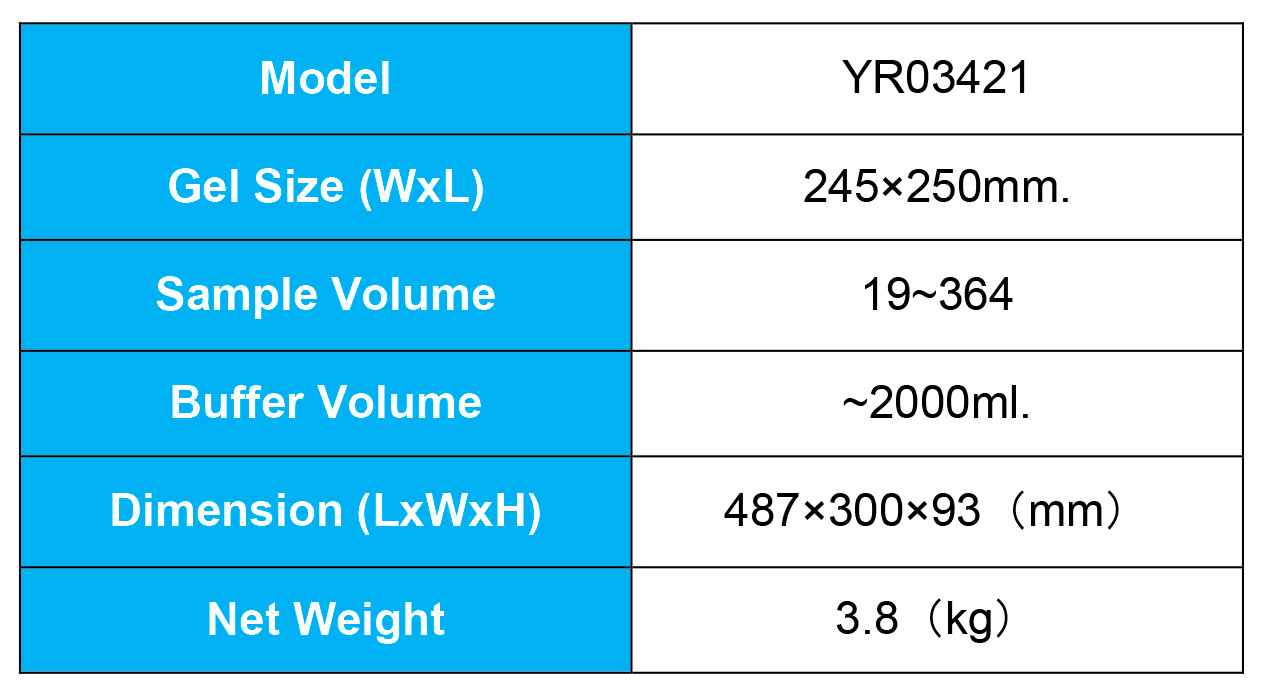
| Model | YR03421 |
| Gel Size(W×L) | 245×250mm. |
| Sample volume | 19~364 |
| Buffer Volume | ~2000ml. |
| Dimension | (L×W×H): 487×300×93 (mm) |
| Net weight | 3.8 (kg) |
Detailed analysis of electrophoresis for an effective and safe choice
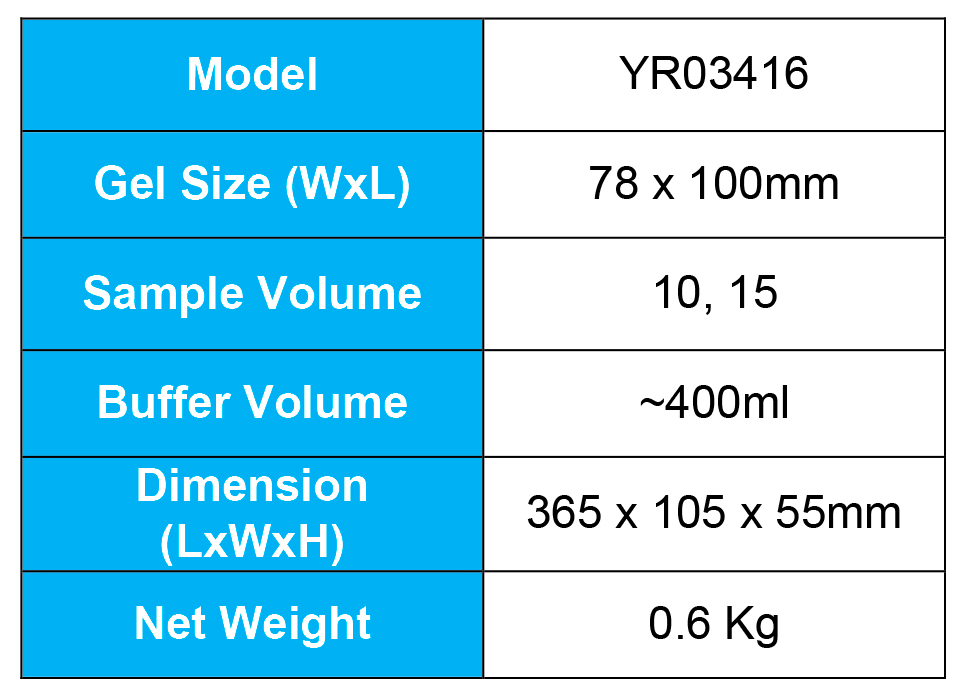
Comparative Analysis: Kalstein's Horizontal Electrophoresis YR03416 vs Bio-Rad's Wide Mini-Sub Cell GT Cell
In the field of laboratory electrophoresis, selecting the right equipment is critical to the success of your experiments. Today, we compare two leading models: the Horizontal Electrophoresis YR03416 from Kalstein and the Wide Mini-Sub Cell GT Cell from Bio-Rad. These devices are essential for separating and analyzing DNA, RNA, and proteins, but each offers distinct features and advantages. The Ho
Exploring the World of Electrophoresis: Kalstein's Superior Solutions
Electrophoresis: Kalstein's Signature Line As a laboratory professional who has delved deeply into the realm of electrophoresis, I can speak firsthand to the exceptional quality and reliability offered by Kalstein's range of electrophoresis products. This line brings precision and innovation into the laboratory, setting a high standard with its advanced technology and robust design. With their ele
State-of-the-Art Electrophoresis: Fast and Accurate Analysis for Research Laboratories
Electrophoresis has been a fundamental pillar in research laboratories for decades, facilitating the separation and analysis of macromolecules such as DNA, RNA, and proteins. In the field of laboratory technology, electrophoresis equipment has significantly evolved, and those developed by Kalstein stand out for their precision and speed.
Power Your Laboratory with Fast and Efficient Electrophoresis Systems
Electrophoresis is a fundamental technique in many molecular biology and chemistry laboratories. For those working in research or diagnostics, efficiency and precision in each analysis are crucial. The Kalstein brand offers a range of electrophoresis systems that stand out for their reliability, facilitating quick and precise procedures.
electrophoresis offer catalog
Vertical Electrophoresis Tank YR03428
Ver producto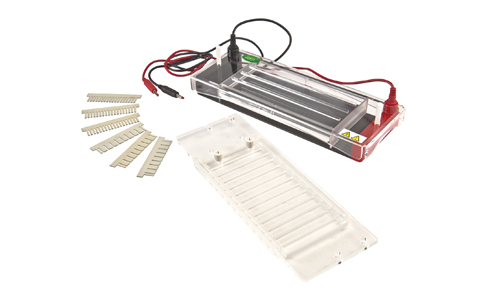
Horizontal Electrophoresis YR03422
Ver producto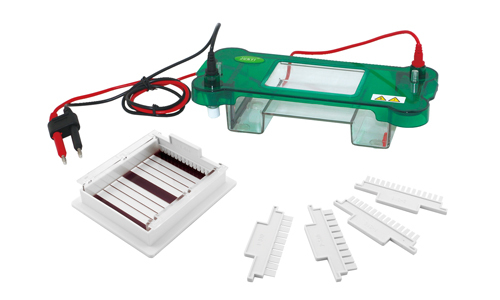
Horizontal Electrophoresis YR03416
Ver producto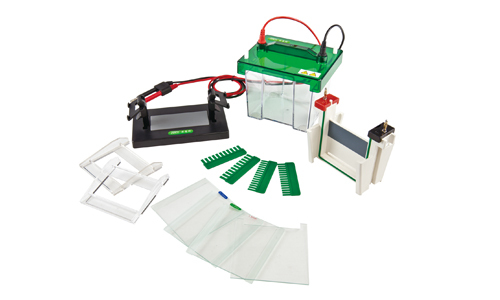
Mini-Protean Vertical Electrophoresis Cell YR03425
Ver producto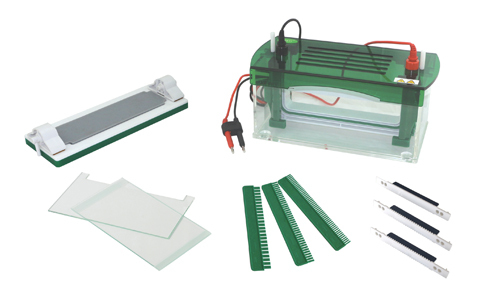
Rapid SSR Vertical Electrophoresis YR03430
Ver producto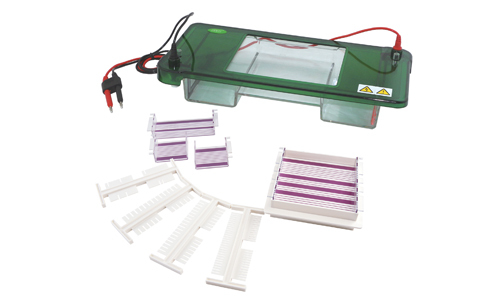
Horizontal Electrophoresis YR03418
Ver producto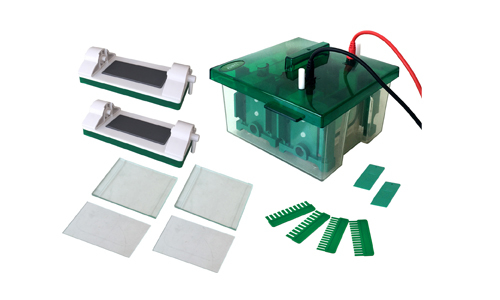
Mini-Protean Vertical Electrophoresis Cell YR03427
Ver producto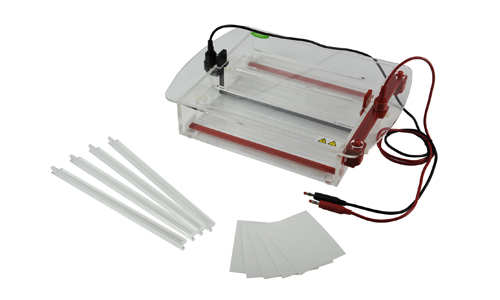
Cellulose Acetate Membrane Horizontal Electrophoresis YR03424
Ver productoGuides about electrophoresis
Complete guides to choose electrophoresis
Advanced Technology in Electrophoresis: Precision and Speed in Genetic Analysis
Electrophoresis is a fundamental technique in molecular biology and genetics laboratories. It is crucial for separating and analyzing nucleic acids or proteins based on their size and charge.
Leer más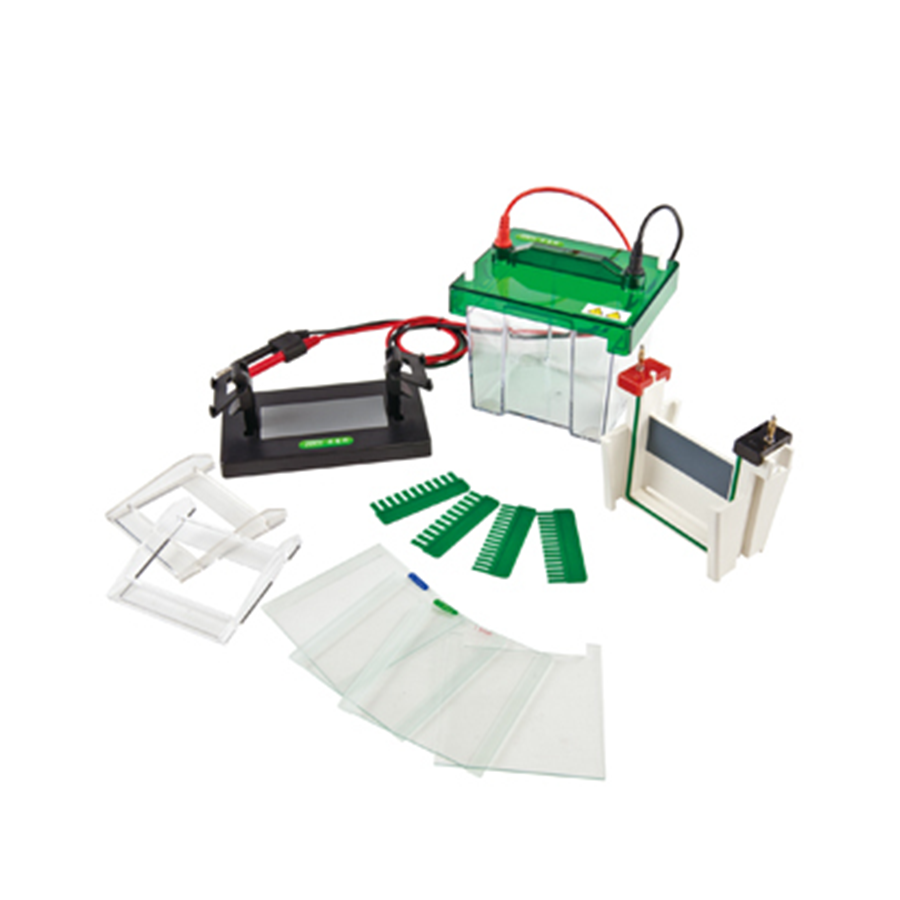
Electrophoresis for Precise Molecular Separation for Reliable Laboratory Results
Electrophoresis is an essential technique in many laboratories, primarily used for the separation...
Leer más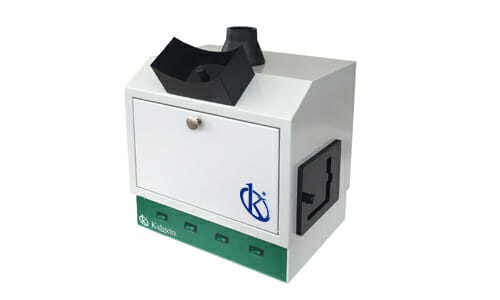
Sharp and Precise Images: Advanced Electrophoresis Transilluminators
The world of biotechnology and scientific research is advancing by leaps and bounds. Every detail counts to ensure the quality and precision of experiments. In this context, transilluminators for advanced electrophoresis have become an esse
Leer másOptimize Your Molecular Biology Results with an Advanced Electrophoresis System
Molecular biology has become an essential field for scientific and medical development, and one of the most commonly used methods in laboratories to analyze molecules such as DNA and RNA is electrophoresis. With the evolution of technology,
Leer másFrequently asked questions about Electrophoresis
How to know the prices of Electrophoresis?
To know the price of Electrophoresis, please send us an email with your request through the contact form AQUI.
What are the delivery times for Electrophoresis?
Delivery time depends on stock availability and freight type (air or sea). In stock: air 15-30 days, sea 45-60 days. Out of stock: air 30-60 days, sea 60-90 days.
How to make a purchase of Electrophoresis?
You can buy by email ([email protected]), phone (+33 (0) 1 70 39 26 50) or through the official Kalstein website in your country.
How does the warranty work for Electrophoresis?
All Kalstein equipment comes with a 1-year warranty against manufacturing defects. The warranty does not cover damage from improper installation or misuse. See our «terms and conditions» AQUI.
Can I request a quote online for Electrophoresis?
Yes, you can request a quote for the Kalstein equipment you are interested in directly from our official website. Click AQUI.