Klasse N Tabelle Autoklav YR03396
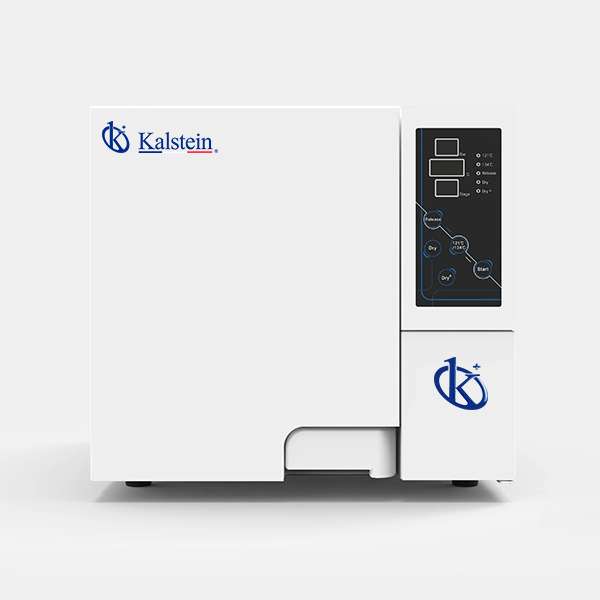
The Klasse N Tabelle Autoklav YR03396 combines technical features for laboratory routines, operational continuity and a coherent equipment selection process.
This page provides an overview of the Klasse N Tabelle Autoklav YR03396, including selection criteria, investment factors, operational advantages and maintenance recommendations. The aim is to support an informed decision before requesting a quotation.
This Kalstein model is available for laboratories in Germany, with selection criteria adapted to local purchasing, installation and support conditions.
Wichtige Faktoren
Before selecting the Klasse N Tabelle Autoklav YR03396, confirm workflow, available space, required accessories and installation conditions. This prevents oversizing the purchase and helps prepare a more accurate quotation.
Its use is oriented to laboratory routines that require observation, control and operational continuity.
For the market in Germany, evaluation should consider local context such as industrial labs, Mittelstand pharma, strict DIN/EN standards and match the product to the real workload of the Labor.
Marktpreisspanne
The investment should be evaluated according to configuration, required accessories, installation conditions and available technical support.
The final price may vary according to configuration, accessories, logistics, warranty and territorial availability. Compare the technical sheet with the real laboratory workload before confirming the investment.
In Germany, budget comparison should include local regulatory requirements, 230V/50Hz power conditions, accessories, logistics and after-sales support.
Preis-Leistungs-Verhältnis
Equipment value depends on operational stability, required accuracy, ease of maintenance and accessory availability.
Value for money should be reviewed together with equipment stability, after-sales support, technical documentation and expected service life. A well-matched selection reduces downtime and improves return on investment.
Vor- und Nachteile
Its use is oriented to laboratory routines that require observation, control and operational continuity.
Main advantages include specialized application, integration with laboratory routines and accessory configuration. Limitations may include installation requirements, user training and preventive maintenance to preserve performance.
Erwartete Lebensdauer je nach Nutzung und Wartung
Modell YR03395 YR03396 (aktuell) YR03397 YR03398 YR03399 YR03400 Kamera ⌀250X350mm ⌀250X450mm Dimension Spannung 220-240v/ 50Hz, 110-120v/60Hz Energie 1500W Sterilisation 121/134°C Temperatur Druck 1,1 bar/121 °C; 2,1 bar/134 °C Sterilisation 30~60min einstellbar/121°C; 10~60min einstellbar/134°C Zeit Trocknungszeit Kein Trocknen 1~60min einstellbar, Kein Trocknen 1~60min einstellbar, Voreingestellt 60 Minuten Voreingestellt 60 Minuten Automatisch Ja Entladung Trocknen Nein Ja Ja Nein Ja Ja Trocknen Plus Nein Nein Ja Nein Nein Ja
Service life depends on usage frequency, cleaning, storage, calibration when applicable and adherence to technical recommendations. A structured maintenance plan helps preserve accuracy, safety and operational continuity.
Support and spare-parts availability oriented to Germany helps preserve service continuity and plan preventive maintenance without extended downtime.
Spezifikationstabelle des Klasse N Tabelle Autoklav YR03396
Klasse N Tabelle Autoklav YR03396
Mit optionaler automatischer Wasserentladung (YR03395, YR03396, YR03397), Trocknung (nur YR03396 und YR03397) und Plus-Trocknung (nur YR03397). Die Sterilisations- und Trocknungszeit kann angepasst werden.
Leistung
- Es können zwei Programme von 121 °C und 134 °C ausgewählt werden.
- LED-Anzeigebildschirm
- Kann die Temperatur mit hoher Präzision anzeigen, die bis zu 0,01 °C betragen kann.
- Hochpräzise Temperaturregelung.
- Das Wasser muss in die Kammer gefüllt werden.
- Der Druckindikator zeigt die Druckwerte ständig an.
- Der Druck wird nach dem Zyklus automatisch abgelassen.
- Das Wasser wird manuell abgelassen.
Sicherheit und Überwachung
- Eine Drucksicherheitsverriegelung verhindert das Öffnen, wenn die Kammer unter Druck steht.
- Überhitzungsschutz.
- Das Sicherheitsventil verhindert Überdruck in der Kammer.
| Modell | YR03395 | YR03396 (aktuell) | YR03397 | YR03398 | YR03399 | YR03400 |
| Kamera | ⌀250X350mm | ⌀250X450mm | ||||
| Dimension | ||||||
| Spannung | 220-240v/ 50Hz, 110-120v/60Hz | |||||
| Energie | 1500W | |||||
| Sterilisation | 121/134°C | |||||
| Temperatur | ||||||
| Druck | 1,1 bar/121 °C; 2,1 bar/134 °C | |||||
| Sterilisation | 30~60min einstellbar/121°C; 10~60min einstellbar/134°C | |||||
| Zeit | ||||||
| Trocknungszeit | Kein Trocknen | 1~60min einstellbar, | Kein Trocknen | 1~60min einstellbar, | ||
| Voreingestellt 60 Minuten | Voreingestellt 60 Minuten | |||||
| Automatisch | Ja | |||||
| Entladung | ||||||
| Trocknen | Nein | Ja | Ja | Nein | Ja | Ja |
| Trocknen Plus | Nein | Nein | Ja | Nein | Nein | Ja |
Häufig gestellte Fragen zu Klasse N Tabelle Autoklav YR03396
How do I choose the right klasse n tabelle autoklav yr03396 for my Labor?
Selection should start from workload, critical technical parameters, available space and frequency of use. Kalstein can support the comparison between operational needs, budget and maintenance requirements to avoid choosing equipment that is oversized or insufficient.
What should I review before requesting a quotation?
Review the model, technical specifications, required accessories, electrical conditions, consumables, delivery timing and installation needs. With this information, the quotation can be prepared more accurately and aligned with the laboratory workflow.
Does Kalstein provide guidance for this type of equipment?
Yes. The commercial and technical team can support product evaluation, explain differences between models, answer application questions and advise on preventive maintenance, spare parts and documentation required for a secure purchase.
What maintenance helps extend the equipment lifespan?
Follow the manufacturer manual, perform regular cleaning, verify calibrations or controls when applicable, avoid workload abuse and keep maintenance records. Stable use and preventive routines reduce failures and improve operational continuity.