
Stainless Steel 304 Workbenches: Superior Durability for Critical Processes
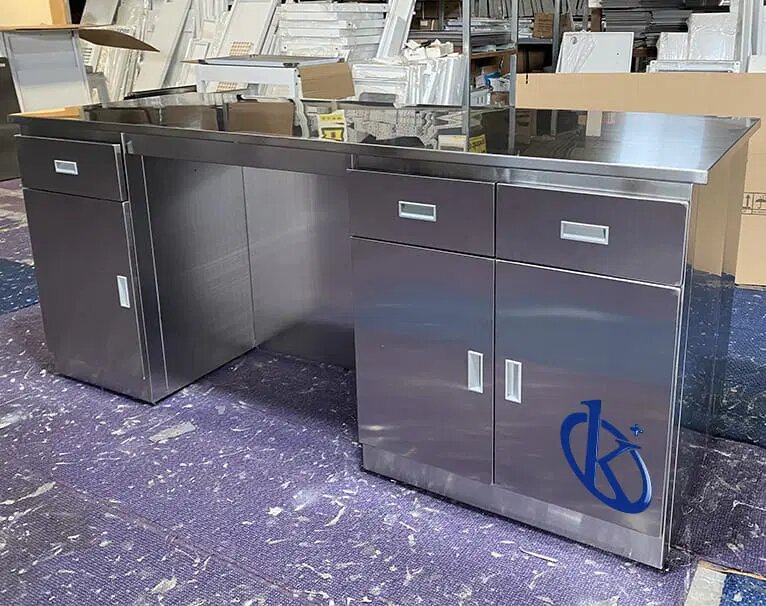
Stainless steel 304 workbenches are essential in environments where durability and corrosion resistance are critical. Having had the opportunity to use workbenches made from stainless steel 304, I can confidently say that they are an optimal solution for laboratories, industrial kitchens, hospitals, and other spaces that require robust, low-maintenance work surfaces.
Stainless Steel Workbenches: Durability and Precision in Laboratory Environments
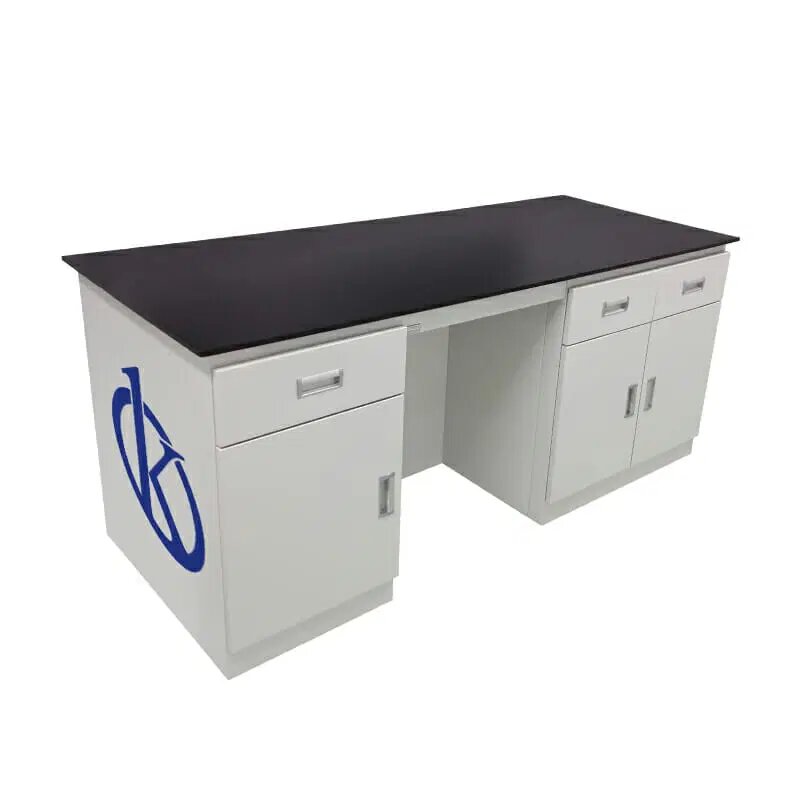
Stainless steel workbenches are an essential piece in any modern laboratory environment. As someone who has worked with and tested various equipment over the years, I can assure you that the importance of having sturdy and functional furniture is crucial to ensuring efficiency and safety in daily tasks.
Functional Accessories for Workbenches: Optimize Organization and Efficiency
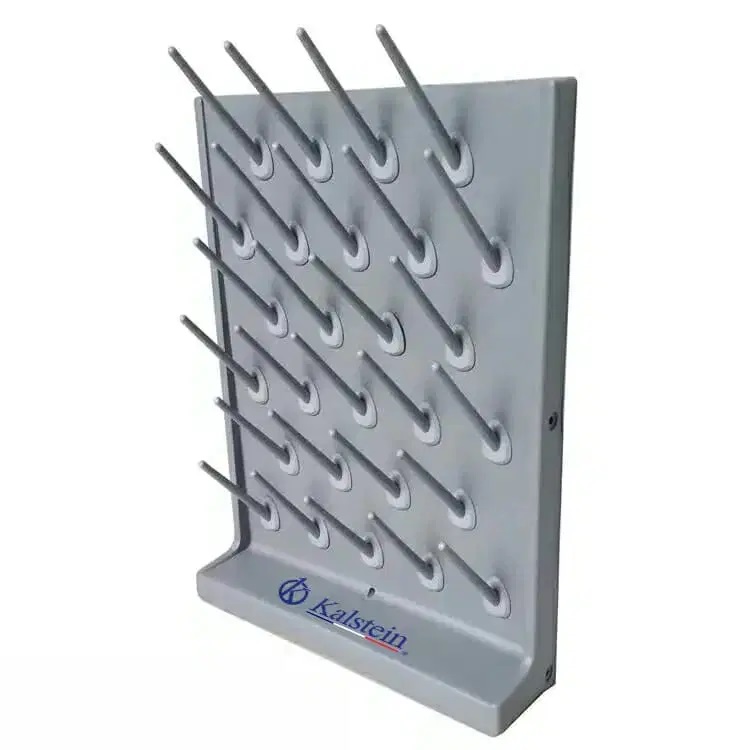
Efficiency and organization are two fundamental pillars in any work environment, especially in laboratories or industries that require precision. Workbench accessories play an essential role in providing greater functionality, optimizing space usage, and facilitating access to tools and equipment.
High-Precision Viscometers: Optimal Control for Rheological Testing
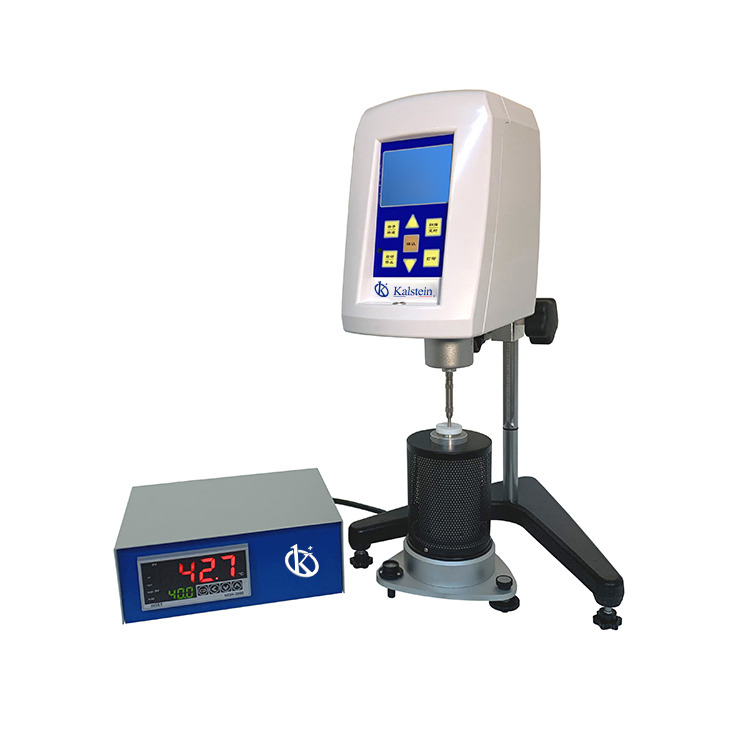
In the field of material science, viscometers are essential tools for measuring the viscosity of different substances, providing fundamental data for rheological testing.
Advanced Transilluminators: Clarity in Nucleic Acid Visualization
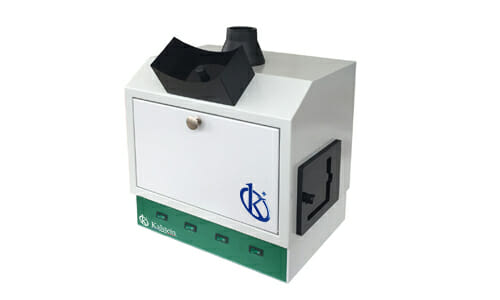
The field of molecular biology has advanced considerably, and with it, the tools used for visualizing nucleic acids. Among these tools, transilluminators are indispensable in genetic and biomolecular research laboratories, as they allow for the clear and precise visualization of DNA and RNA bands.
Microplate Readers for Fast and Reliable Analysis
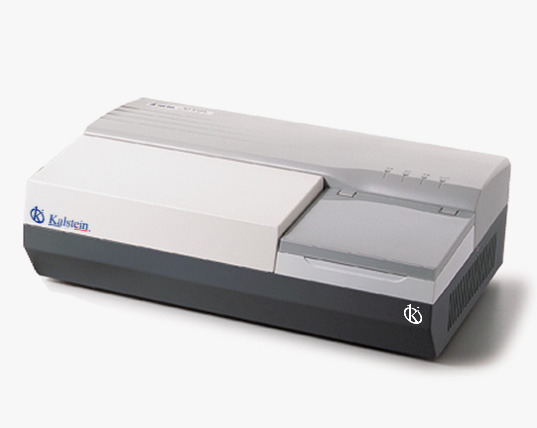
Microplate readers are essential instruments in research, diagnostic, and biotechnology laboratories. These devices are designed to accurately read microplates used in assays involving biological, chemical, and pharmacological samples, providing fast and reliable results. Microplate readers are widely used in ELISA assays, toxicity studies, absorbance, fluorescence, and chemiluminescence analyses. In this article, we will explore the technical features, available models, advantages, and disadvantages, as well as final recommendations on microplate readers.
Microplate Washers for Efficient Assays and Optimal Cleaning
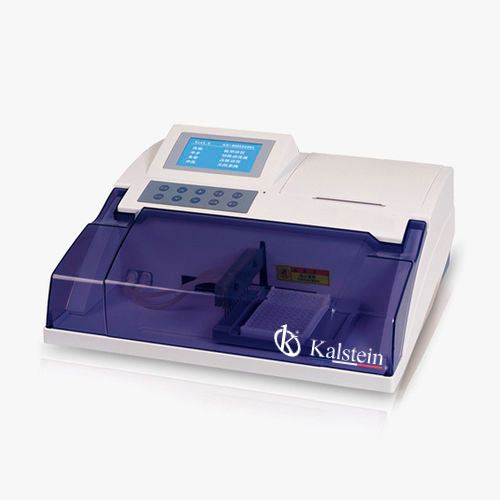
Microplate washers are indispensable equipment in modern laboratories, especially in those that perform enzyme-linked immunosorbent assays (ELISA), clinical sample analyses, and other scientific applications that require precise handling and cleaning of microplates. These devices ensure that microplates are washed effectively and uniformly, removing any residues that could interfere with assay results. In this article, we will explore the features of microplate washers, their importance in the lab, and highlight Kalstein’s models as a reliable option for optimizing processes.
Lyophilizers for Preservation of Sensitive Samples and Advanced Processes
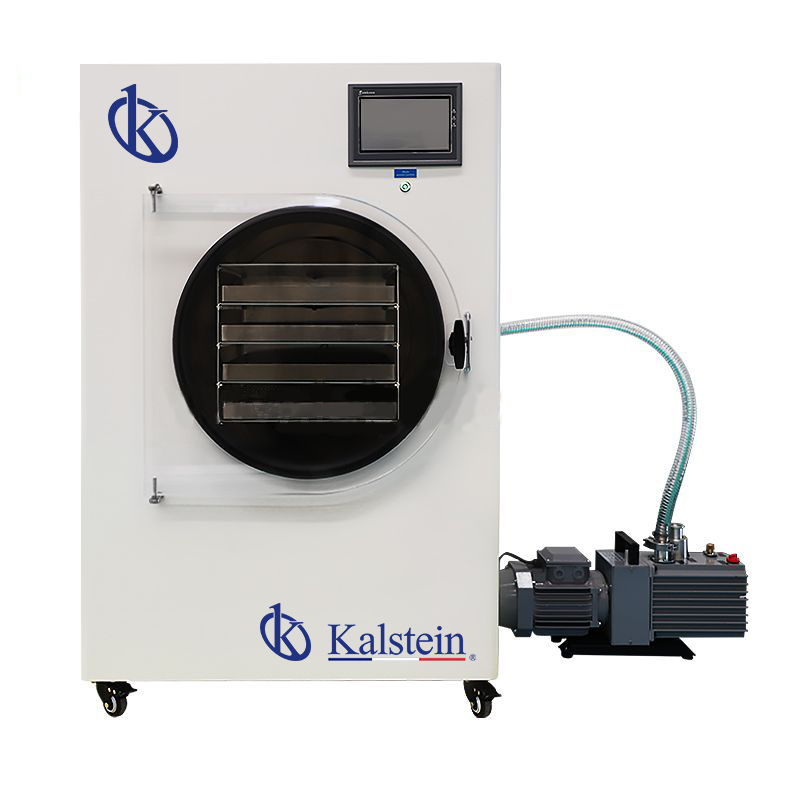
The preservation of biological, pharmaceutical, and food samples is a crucial aspect of modern laboratories. In this context, lyophilizers play an essential role by enabling efficient water removal without compromising the integrity of the samples. Lyophilization, also known as freeze-drying, offers a safer and more effective alternative than other preservation methods. This article explores the features, applications, and advantages of lyophilizers, with a particular focus on Kalstein models, a well-known brand in the laboratory equipment market.
Turbidity Meters for Quality Control in Liquid Analysis
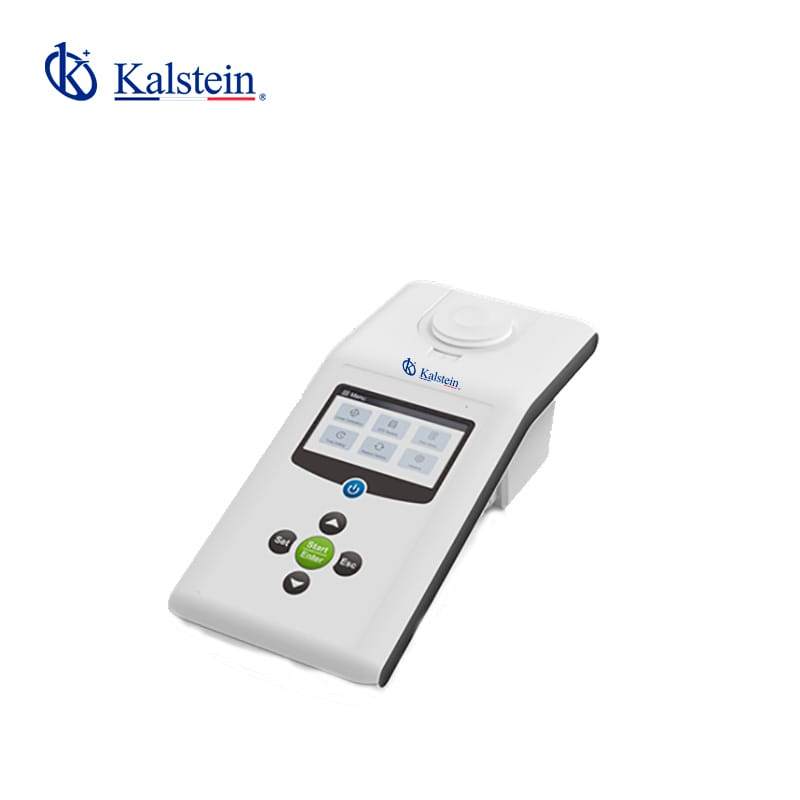
As a specialist in quality control and liquid analysis, I want to talk to you about one of the key tools in this area: turbidity meters. These instruments, particularly those developed by Kalstein, are designed to assess the clarity and purity of liquids—an essential aspect in fields such as the food industry, pharmaceuticals, and water treatment.
High-Precision Ion Meters for Electrochemical Analysis
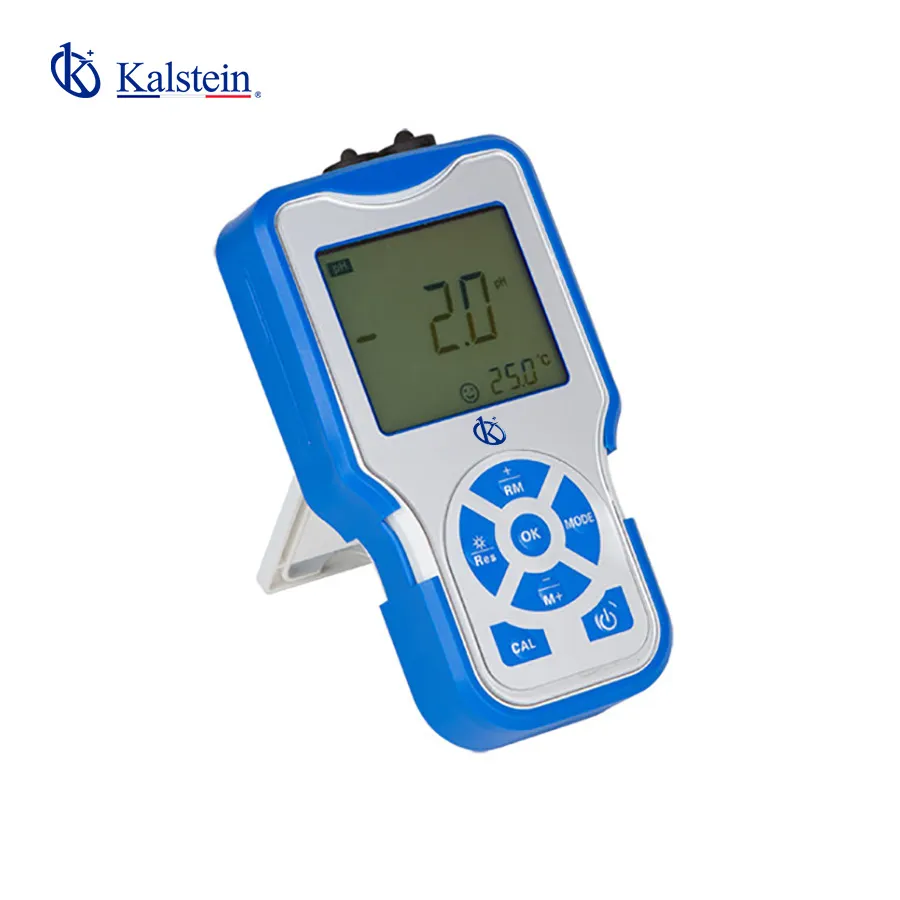
Ion meters have revolutionized modern laboratory analysis by enabling precise measurements of ion concentrations in solutions. Used in a wide range of scientific and research applications, these devices are essential for obtaining reliable results in chemistry, biology, and environmental studies. In my experience, I’ve found that these meters simplify the acquisition of exact data in experiments that demand the highest level of precision.