
Constant Oxygen: The Stationary Solution for Your Home
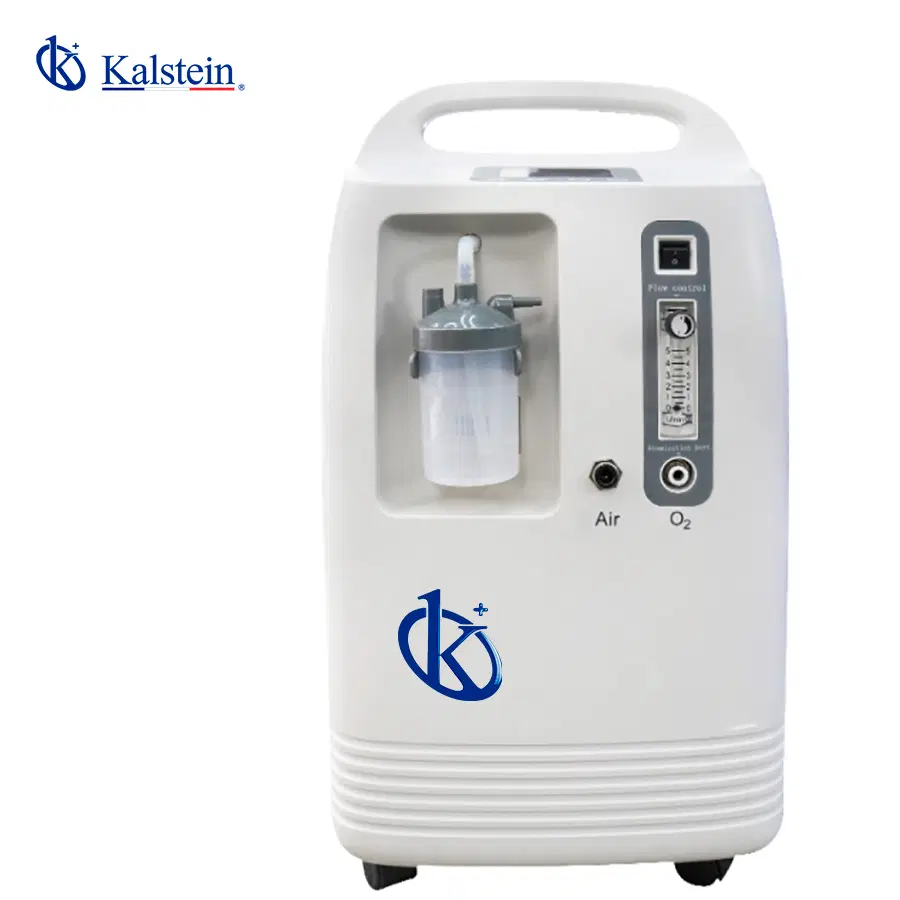
Stationary oxygen concentrators are essential devices for those who require oxygen therapy at home. Among their benefits, the ability to provide a continuous supply of high-purity oxygen stands out, significantly improving users’ quality of life. These devices are ideal for individuals with chronic lung diseases, such as COPD or pulmonary fibrosis, as they ensure patients receive the necessary oxygen to maintain optimal blood levels.
Breathe with Ease: Stationary Oxygen at Your Reach
In the healthcare field, innovations in medical equipment are essential for improving patients’ quality of life. The stationary oxygen concentrator has evolved significantly in recent years, featuring advanced characteristics that make it an indispensable tool for those requiring long-term oxygen therapy. These developments include improvements in energy efficiency, noise reduction, and the incorporation of smart technologies for more precise oxygen flow control.
Oxygen Without Pauses: Battery and Continuous Flow for a Better Life
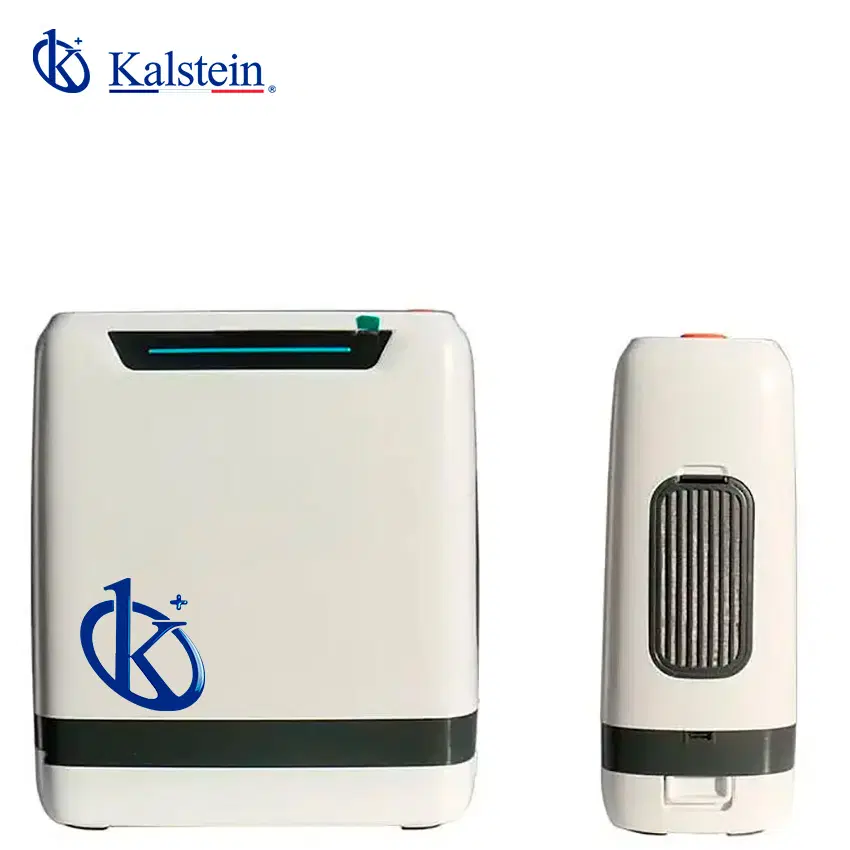
In today’s world, the demand for efficient and accessible medical solutions is constantly growing. One of the fastest-developing areas is portable oxygen concentrators, which significantly improve the treatment of patients with chronic respiratory diseases.
Breathe Freely: Portable Continuous Flow Oxygen
In today’s world, medical technologies are advancing rapidly, providing innovative solutions to improve quality of life. One device that has revolutionized the medical field is the battery-operated continuous flow oxygen concentrator.
Your Ally on the Road: Long-lasting Battery Oxygen Concentrator
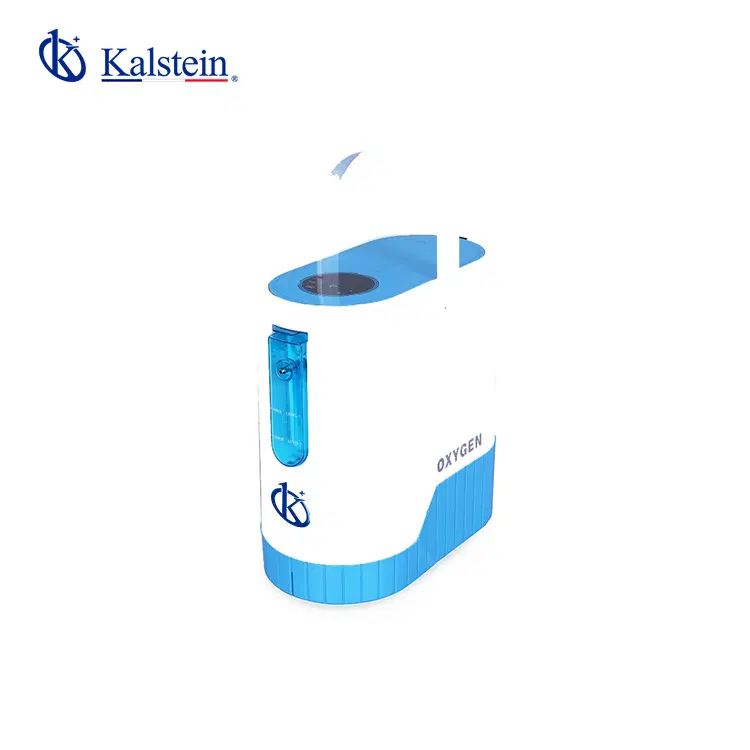
In the field of best medical practices and clinical research, portable oxygen concentrators have revolutionized the lives of those needing oxygen therapy.
Portable and Rechargeable Oxygen: The Freedom to Breathe Anywhere
The design of the portable oxygen concentrator with a rechargeable battery is one of its greatest attractions. With reduced dimensions and lightweight construction, this device is designed to be easily transported, allowing users to take it anywhere. Its ergonomic structure facilitates handling and transportation, ensuring that users do not feel limited by the need for supplemental oxygen. This innovative design not only enhances mobility but also provides greater independence for those requiring continuous respiratory assistance.
Oxygen on Demand: Take It Anywhere
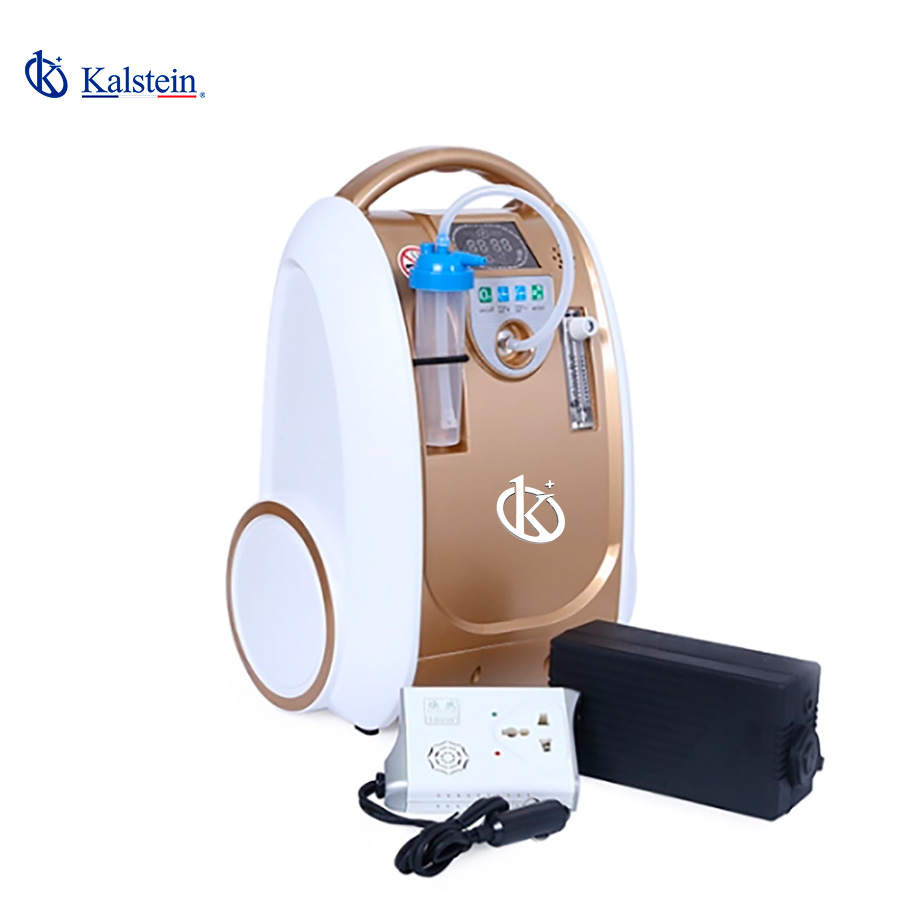
Nowadays, the need for portable medical devices, such as oxygen concentrators, has significantly increased. These devices not only provide autonomy to patients with respiratory needs but also improve their quality of life by allowing them to maintain their mobility.
Breathe Well, Live Better: Portable Oxygen Within Your Reach
Today, portable oxygen concentrators have become an essential tool for those requiring constant oxygen therapy, allowing them to maintain an active lifestyle and improve their quality of life.
Breathe Easy: Discover the Power of the Best Stationary Oxygen Concentrator
Respiratory health care is essential, especially in clinical and hospital settings. A Stationary Oxygen Concentrator becomes an indispensable ally to ensure that patients receive the necessary oxygen constantly and safely.
Oxygen Within Reach: The Stationary Solution for a Healthier Life
In the healthcare field, having efficient and high-quality equipment is essential to ensure patient well-being. Stationary oxygen concentrators have become an indispensable tool for many clinics and laboratories.