
UV-Vis Microplate Reader: Maximum Sensitivity in Quantification
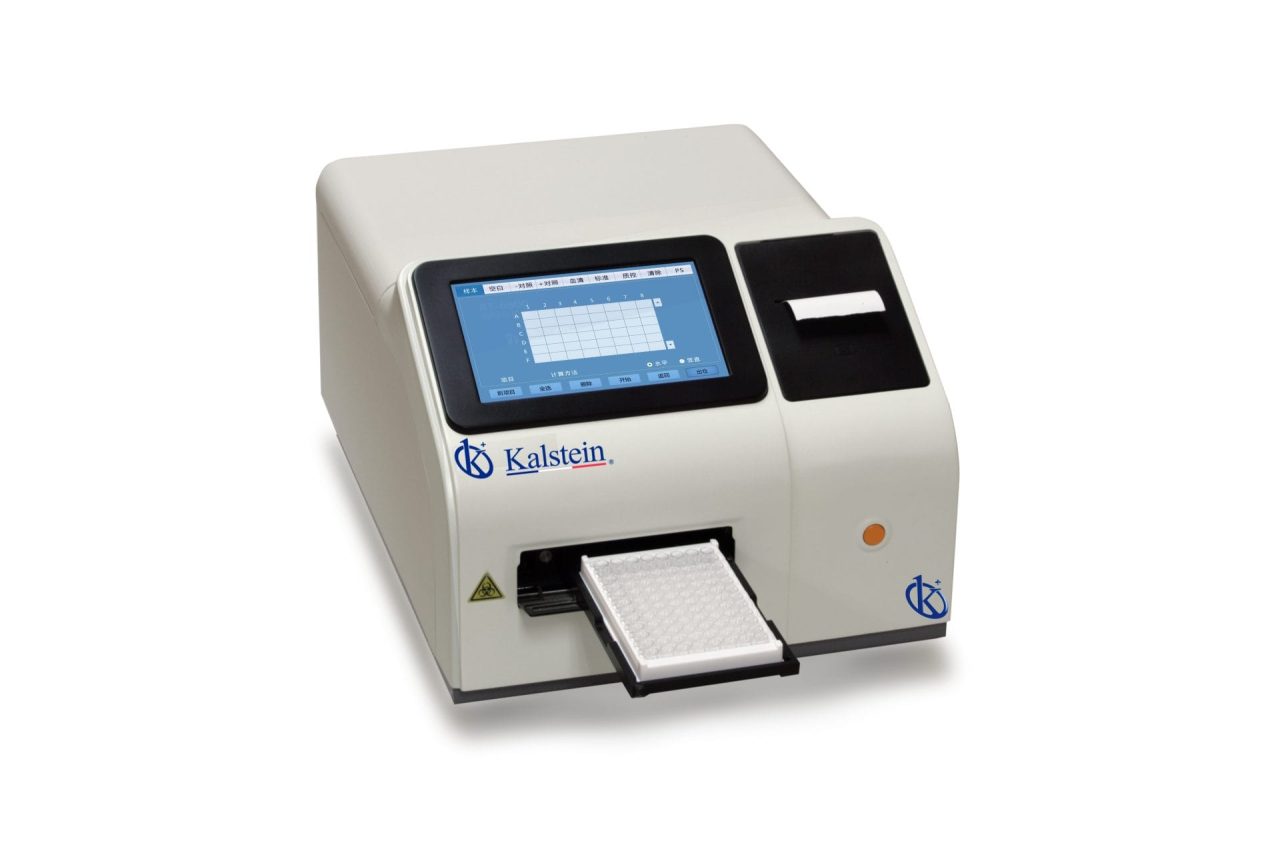
The microplate reader is an essential instrument in many laboratories, primarily used to measure absorbance, luminescence, and fluorescence in samples contained in microplates. This equipment allows for quantitative and qualitative analysis in areas such as molecular biology, biochemistry, and immunology. The advanced technology of these devices ensures precise and reproducible results, which is crucial for research and clinical diagnostics.
Fluorescence Technology: Microplate Readers for Complex Assays
The microplate reader is an essential tool in research and diagnostic laboratories. These devices allow for the reading and analysis of multiple samples simultaneously using microplates with various wells that can contain different reagents and samples. The ability to process and analyze multiple wells at once makes microplate readers extremely efficient and precise for a wide variety of assays, from enzymatic assays to fluorescence and absorbance analyses.
Multi-Mode Microplate Reader: Precision in Biomolecular Marker Analysis
The microplate reader is an essential tool in biomolecular research laboratories. This device allows for the analysis of multiple samples simultaneously, facilitating the detection of various biological, chemical, and physical properties in assays such as ELISA, enzymatic activity, and quantification of nucleic acids and proteins. Microplate readers are fundamental in immunology and serology, enabling the identification of specific antibodies and antigens.
Efficiency in the Laboratory: Microplate Washers for High-Performance Processes
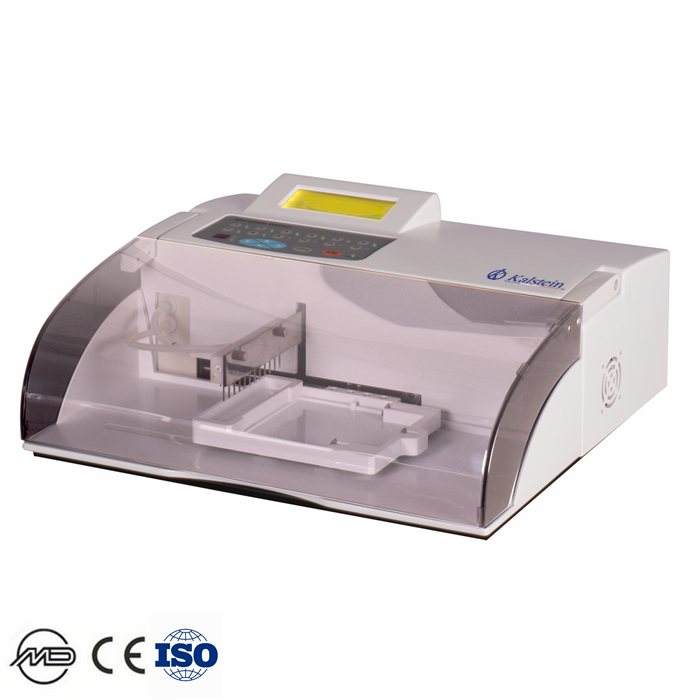
Microplate washers are an essential tool in modern laboratories. These machines, specifically designed to clean and prepare microplates used in various applications such as ELISA assays, play a crucial role in automating and enhancing the efficiency of laboratory workflows.
Advanced Technology: Microplate Washers for Reliable and Uniform Results
Microplate washers are essential in modern laboratories, especially for enzyme-linked immunosorbent assays (ELISA). These devices clean microplates, removing unbound reagent residues, which is crucial for obtaining precise and reproducible results. In this article, we will explore the characteristics, advantages, disadvantages, and comparisons of microplate washers, focusing on available market products.
Automated Microplate Washers: Maximize Reproducibility in Your Assays
Microplate washers are automated devices designed to clean microplates used in laboratory assays, such as ELISA. These machines enable precise and consistent washing of each well in the plate, which is crucial for obtaining reliable results. A typical microplate washer handles complex processes of washing, aspiration, and liquid dispensing, ensuring each well is free from residues that could interfere with subsequent assays.
Precision in Cleaning: High-Efficiency Microplate Washers for Cell Assays
Microplate washers are essential devices in laboratories where cell assays are performed. These devices allow efficient and precise cleaning of the plates used in experiments, ensuring reliable and reproducible results. In my experience, I have found that microplate washers not only facilitate daily work but also improve the quality of assays by removing residues and minimizing cross-contamination.
Cutting-Edge Technology: High-Capacity Homogenizers for Scientific Applications
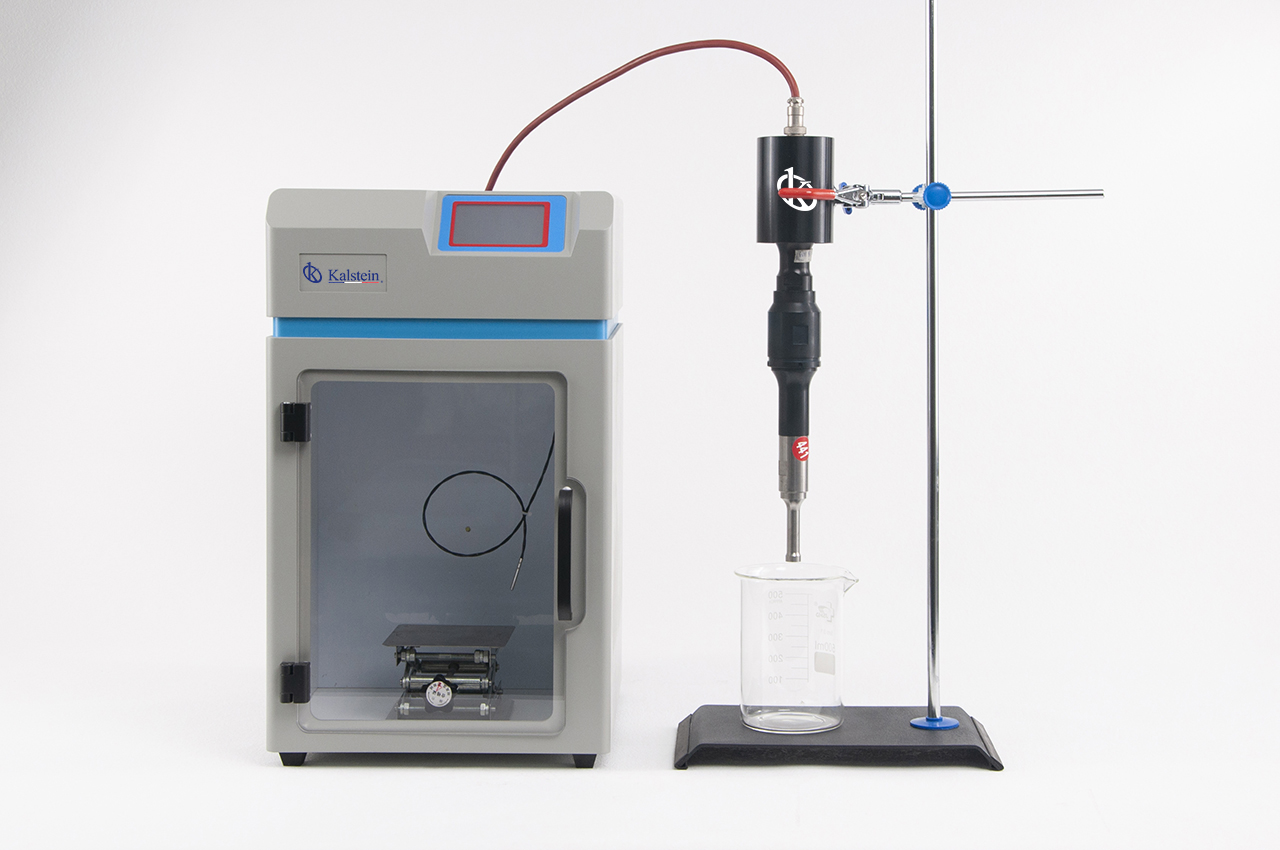
As someone who has had the opportunity to test and evaluate a variety of laboratory equipment, I can confidently say that high-capacity homogenizers are a fundamental piece in any scientific research environment. These devices are designed to break down and mix samples uniformly, ensuring that components are evenly distributed. This capability is crucial for obtaining reproducible and accurate results in various applications, from biotechnology to pharmaceuticals and food research.
Optimize Your Samples: Advanced Homogenizers for Research Laboratories
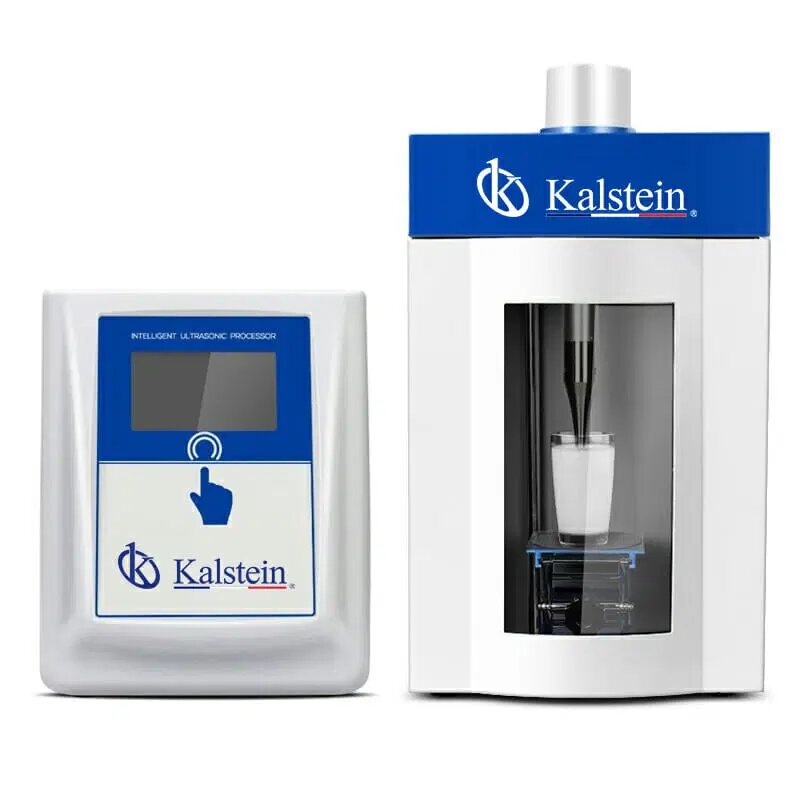
Homogenizers are tools designed to mix and crush samples, ensuring a uniform distribution of their components. This process is vital in preparing samples for chemical, biological, and pharmaceutical analyses. Homogenizers are used to break cells, disperse particles, and emulsify liquids, ensuring that each portion of the sample is representative of the whole.
The Peace of Mind with Stationary Oxygen: Always With You
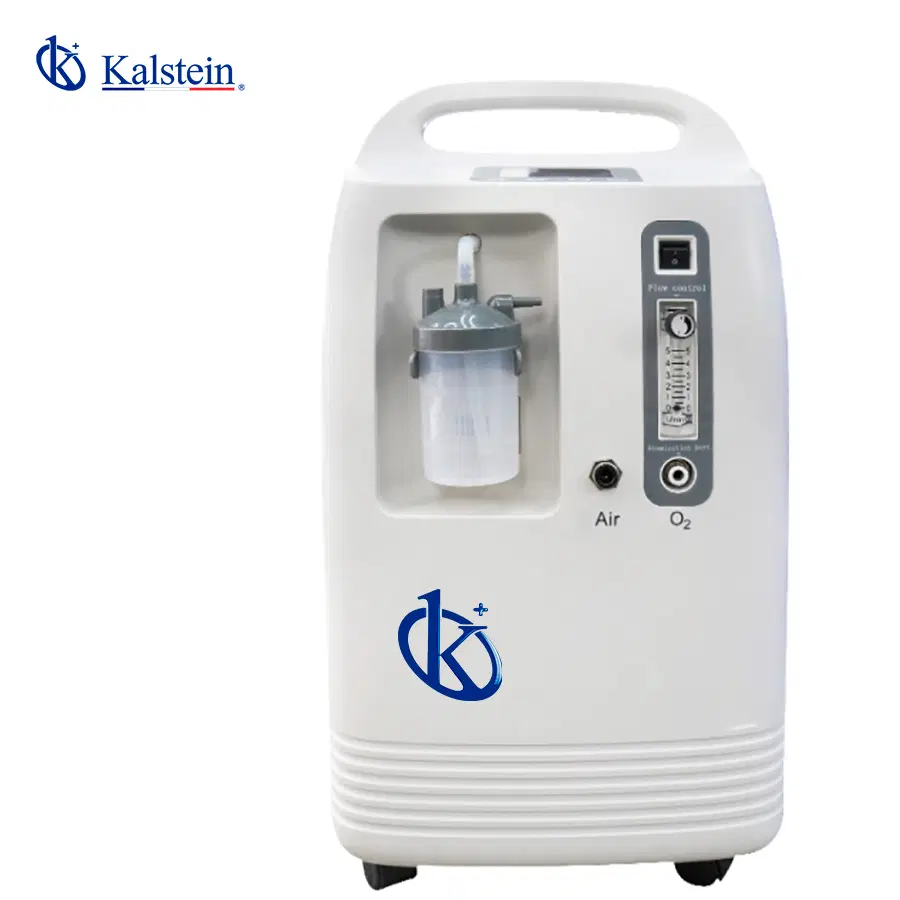
The stationary oxygen concentrator is a medical device designed to provide a constant flow of oxygen to patients requiring long-term respiratory assistance. Unlike traditional oxygen tanks, oxygen concentrators take ambient air, filter it, and concentrate it to deliver pure oxygen to the patient. This innovative process eliminates the need for refilling or replacing tanks, offering a more practical and economical solution.