
Advanced Technology in Turbidity Measurement: Fast and Reliable Results
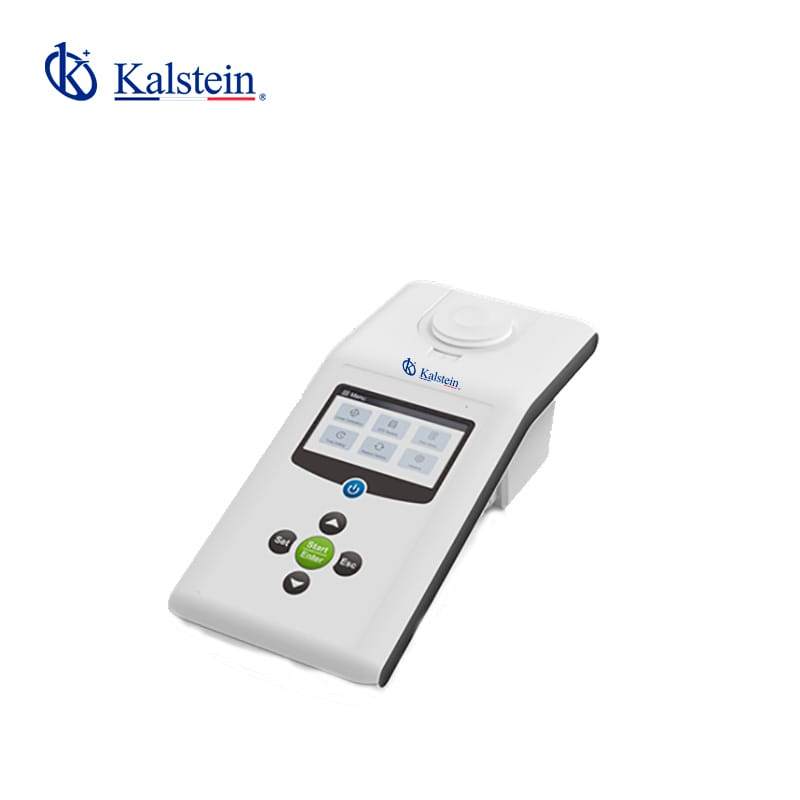
Turbidity meters are essential instruments in evaluating water quality, used in both laboratories and the field. Their primary function is to measure the number of suspended particles in a liquid, determining its turbidity. This parameter is crucial in various industries such as water treatment, pharmaceuticals, and food production. Turbidity meters work through light scattering: a light beam passes through the water sample, and the suspended particles scatter this light, allowing turbidity measurement in Nephelometric Turbidity Units (NTU).
Psychiatric Care: The Flat Psychiatric Hospital Bed

In the field of mental health, the quality of equipment used can make a significant difference in the treatment and well-being of patients.
High-Precision Turbidity Meters for Water Quality Analysis
Turbidity meters are essential instruments in water quality analysis. Turbidity refers to the clarity of a liquid and is measured in nephelometric turbidity units (NTU). A turbidity meter uses a light source that passes through the sample and a detector that measures the amount of light scattered by the suspended particles. This process allows the determination of the concentration of these particles and, therefore, the turbidity of the liquid.
Ion-Selective Technology: Ion Meters for Fast and Accurate Results
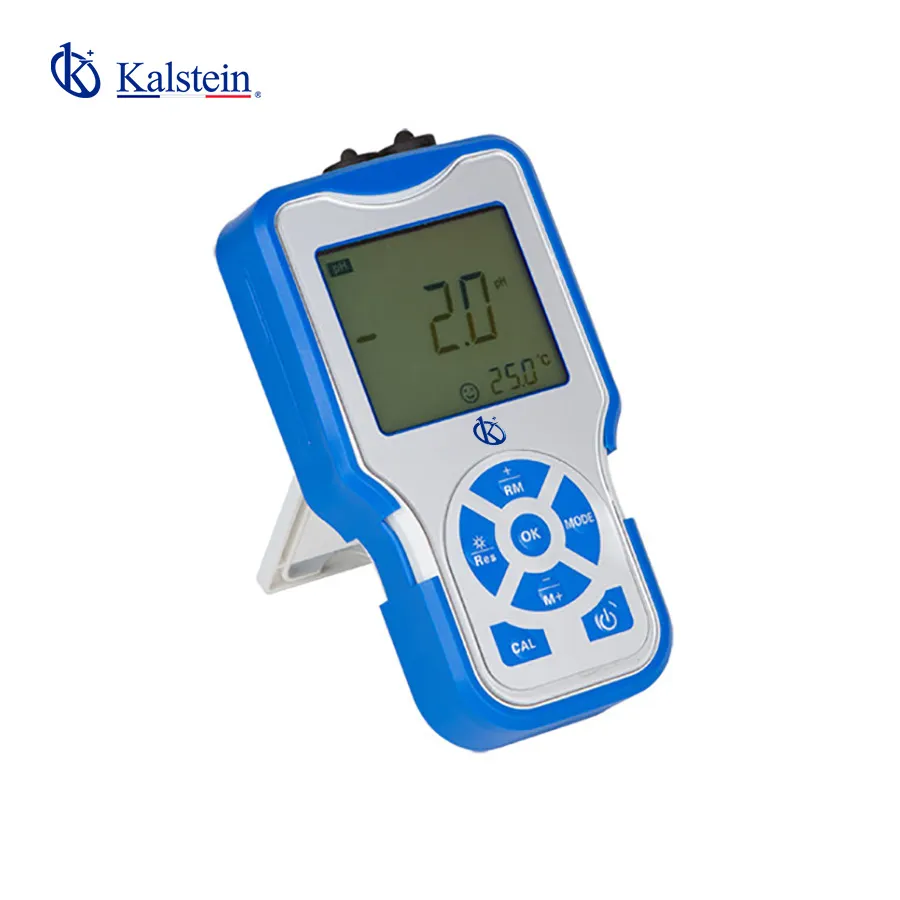
Ion meters are essential instruments in laboratories and industrial environments that need to analyze ion concentrations in various solutions. Widely used in the chemical, pharmaceutical industries, and scientific research, these devices ensure precise measurements of specific ions, crucial for many chemical and biological processes. In my experience, I have found that these meters are not only accurate but also incredibly efficient, making analysis tasks much simpler and faster.
Advanced Ion Measurement: Tools for Laboratory Research
In laboratory research, precision and efficiency are crucial. Ion meters are indispensable tools for performing accurate and rapid ionic analyses. These devices, which range from portable models to advanced laboratory systems, allow specific ion concentrations in solutions to be measured, providing essential data for multiple scientific and industrial applications.
Efficient Ionic Analysis: Modern and Reliable Ion Meters
Ion meters are essential instruments in chemical analysis, used to measure the concentration of specific ions in aqueous solutions. These devices are vital in various fields, from scientific research to industrial and environmental applications. In my experience, modern ion meters have evolved significantly, providing unprecedented accuracy and reliability.
Discover the Revolution in Child Care: The 2-Function Stainless Steel Pediatric Bed

In the world of pediatric medicine, every detail counts to ensure the safety and comfort of young patients.
Electrochemical Precision: High Accuracy Ion Meters
Ion meters are essential instruments in modern laboratories, used to measure the concentration of specific ions in various solutions. These devices are crucial in fields such as analytical chemistry, biotechnology, environmental research, and the food industry. The precision and accuracy of ion meters allow for reliable and reproducible results, which are vital for efficient ionic analysis.
Innovation in Medical Transport Stretchers: Efficiency and Comfort for Patients
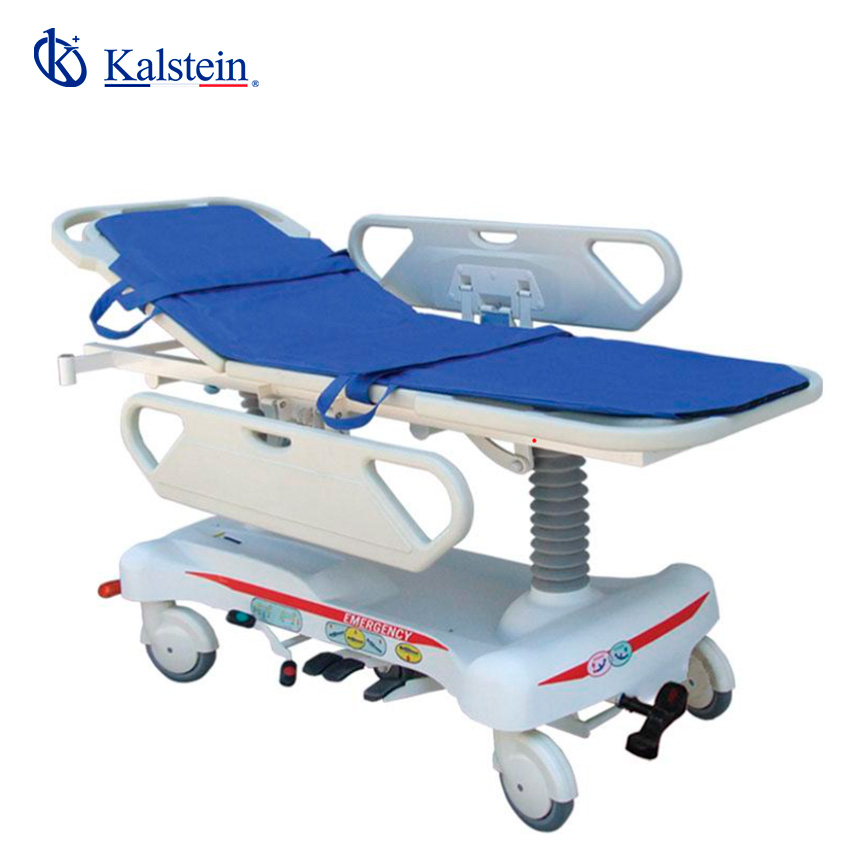
Medical transport stretchers are essential for the safe and efficient movement of patients within hospital settings. At Kalstein, we have spent years perfecting our transport stretchers to meet the highest standards of quality and functionality. Our stretchers are equipped with advanced features that facilitate the work of medical personnel while increasing patient comfort.
Innovation in Heating: Heating Mantles with Cutting-Edge Technology
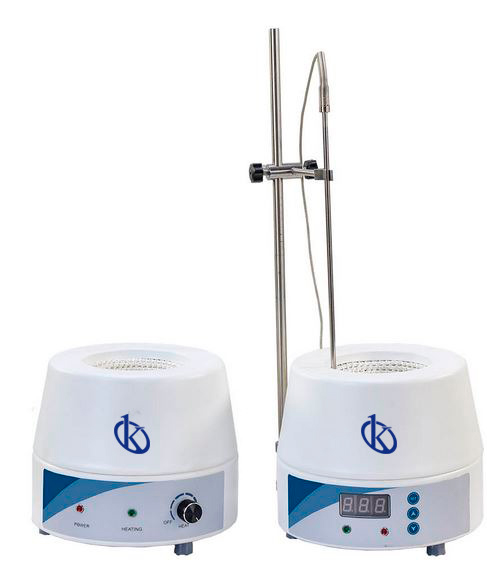
Heating mantles are essential equipment in any laboratory, designed to provide uniform and safe heating of solutions contained in glass containers. These devices are especially useful in chemical and biological processes where maintaining a constant temperature is crucial for reproducibility of experiments.