
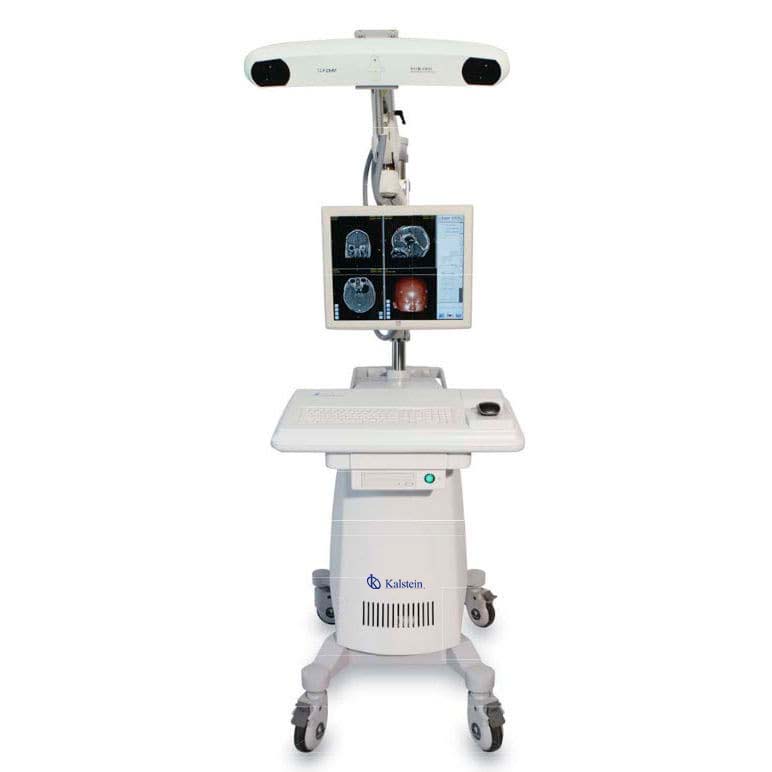
Optical Surgical Navigation, Brand Kalstein
When it comes to precision and reliability in surgical procedures, few innovations compare to the prowess of Kalstein’s Optical Surgical Navigation systems. As a leading name in the medical equipment industry, Kalstein has consistently provided top-of-the-line technology that sets the standards for surgical excellence. These navigation systems are pivotal in ensuring that surgeries are not only precise but also efficient, drastically reducing the margin for error.
Kalstein’s Optical Surgical Navigation offers a synergy of cutting-edge technology and user-friendly interfaces, making them an invaluable asset in operating rooms worldwide. These systems embody a commitment to advancing surgical techniques and enhancing patient outcomes. With a strong focus on research and development, Kalstein remains at the forefront of surgical innovation, ensuring that surgeons are equipped with the best tools to perform intricate surgical tasks seamlessly.
Características de la Optical Surgical Navigation
The defining features of the Optical Surgical Navigation systems are what make them indispensable in the surgical sector. These systems utilize advanced imaging technologies to provide surgeons with real-time, three-dimensional guidance during procedures. This allows for unparalleled accuracy, as surgeons can visualize the exact positioning and movement necessary to accomplish complex tasks.
Moreover, the integration of intuitive interfaces ensures that these navigation systems are not only effective but also accessible to medical professionals of varying expertise levels. By focusing on scalability and adaptability, Kalstein has designed these systems to effortlessly fit into the workflows of modern surgical environments, thereby minimizing training time and maximizing operational efficiency.
Different Types or Models of Optical Surgical Navigation
The diversity in Optical Surgical Navigation models offered by Kalstein reflects the different needs within the surgical community. Each model is crafted with specific features that cater to unique procedural requirements. For instance, certain models are optimized for neurosurgery, offering enhanced brain mapping capabilities that are crucial for delicate cranial procedures.
On the other hand, there are models specifically designed for orthopedic surgeries, emphasizing the precision needed for joint replacements and spinal alignments. This variety ensures that no matter the surgical specialty, there is an Optical Surgical Navigation system from Kalstein perfectly suited to meet its demands, further solidifying their position as a leader in medical innovation.
Why Does Optical Surgical Navigation Have This Price?
Investing in Optical Surgical Navigation systems might seem significant at first glance, but the cost correlates with the exceptional quality and innovation synonymous with Kalstein. The components involved in developing these systems are of the highest caliber, ensuring longevity, durability, and flawless performance during critical medical procedures.
Moreover, the lifecycle of these products means they deliver outstanding returns on investment. The precision and efficiency they bring to surgeries can lead to faster recovery times for patients and more streamlined procedures, contributing to lower overall costs in the long term. Hence, the price tag is a reflection of the significant advancements and benefits they provide to healthcare institutions.
Compare Optical Surgical Navigation with Similar Products
In the realm of optical surgical navigation, several brands stand out, but Kalstein remains a benchmark. One notable competitor is Medtronic, known for its comprehensive surgical equipment. However, Kalstein’s systems are often praised for their superior interface and customization options, which can offer a more tailored experience to surgeons.
Stryker, another competitor, focuses extensively on orthopedic solutions. While their navigation systems are quite advanced, Kalstein often pulls ahead with its broader applicability across various surgical fields. Similarly, Brainlab offers robust navigation systems but can sometimes fall short in terms of affordability and ease of integration compared to the seamless approach by Kalstein’s offerings.
Pros and Cons of the Optical Surgical Navigation
| Pros | Cons |
|---|---|
| Unmatched precision in surgical procedures. | Initial cost can be high for smaller clinics. |
| User-friendly interface reduces learning curve. | Requires regular updates and maintenance. |
| Real-time 3D imaging for accurate guidance. | Somewhat bulky hardware in older models. |
| Customizable to fit various surgical specialties. | Dependency on stable power supply. |
| Reduces surgical time and patient recovery period. | Complexity might be overwhelming for tech-averse users. |
| Boosts overall surgical success rates. | Cost of consumables and accessories. |
| Easy integration with existing hospital systems. | |
| Backed by Kalstein’s renowned customer support. |
Benefits of Using These Optical Surgical Navigation Systems
Optical Surgical Navigation systems from Kalstein fundamentally alter the landscape of surgical procedures. They enhance precision, which is particularly beneficial in operations where margins for error are nonexistent. With their advanced imaging capabilities, surgeons can achieve perfect alignment and placement of instruments and implants, ensuring optimal patient outcomes.
Furthermore, by decreasing the duration of surgeries and increasing their success rates, these systems significantly improve patient throughput in busy medical facilities. This efficiency not only translates into better care for more patients but also optimizes resource utilization within healthcare institutions.
Other Advantages of Optical Surgical Navigation
Besides the apparent benefits, these systems offer numerous subtle advantages. By providing detailed intra-operative feedback, they enable surgeons to make informed decisions swiftly, thereby minimizing potential complications. This boosts both surgeon confidence and patient trust in the healthcare process.
Moreover, the ease of use and adaptability of Kalstein’s Optical Surgical Navigation systems foster an environment of continuous learning and improvement, allowing surgical teams to refine their techniques and approaches continuously. These systems are also eco-conscious, designed to minimize waste and energy consumption, aligning with sustainable healthcare practices.
User References About Optical Surgical Navigation
Feedback from users of Optical Surgical Navigation systems is overwhelmingly positive. Surgeons frequently cite the significant improvement in accuracy and efficiency during operations. One neurosurgeon noted, “Kalstein’s navigation systems have redefined the way we approach complex brain surgeries. The precision is simply unmatched.”
Another user, a prominent orthopedic surgeon, shared, “With the navigation system, joint replacements have become less invasive and more predictable, reducing patient recovery time significantly.” Such testimonials underscore the transformative impact these systems have on modern surgical practices.
Frequently Asked Questions
What is Optical Surgical Navigation used for?
Optical Surgical Navigation is primarily used to provide precise, real-time guidance during surgical procedures, improving accuracy and outcomes.
How does Optical Surgical Navigation improve surgical outcomes?
It enhances precision by offering detailed 3D imaging, enabling surgeons to perform operations with greater accuracy and reducing the risk of complications.
Are Kalstein’s Optical Surgical Navigation systems compatible with existing surgical tools?
Yes, they are designed for seamless integration with a variety of surgical tools and existing hospital systems.
What specialized training is required to use these systems effectively?
While the systems are user-friendly, Kalstein provides comprehensive training to ensure that medical staff can utilize them to their full potential.
How do Kalstein’s navigation systems compare in price to competitors?
While initially on a higher price bracket, they offer a cost-effective solution in terms of long-term benefits, precision, and user adaptability compared to competitors.
What kind of maintenance is required?
Regular software updates and periodic hardware checks are recommended to ensure optimal performance of the systems.
Final Recommendations on These Optical Surgical Navigation Systems
In conclusion, opting for Kalstein’s Optical Surgical Navigation systems is a decision that ultimately benefits both practitioners and patients. The array of features and advantages they bring to the table solidifies their place as an essential component in contemporary surgical suites. If precision, efficiency, and state-of-the-art technology are what you seek, these systems are undoubtedly worth the investment.
You can find more information and explore the product range at https://kalstein.de/category-product/medical-line/optical-surgical-navigation/.