
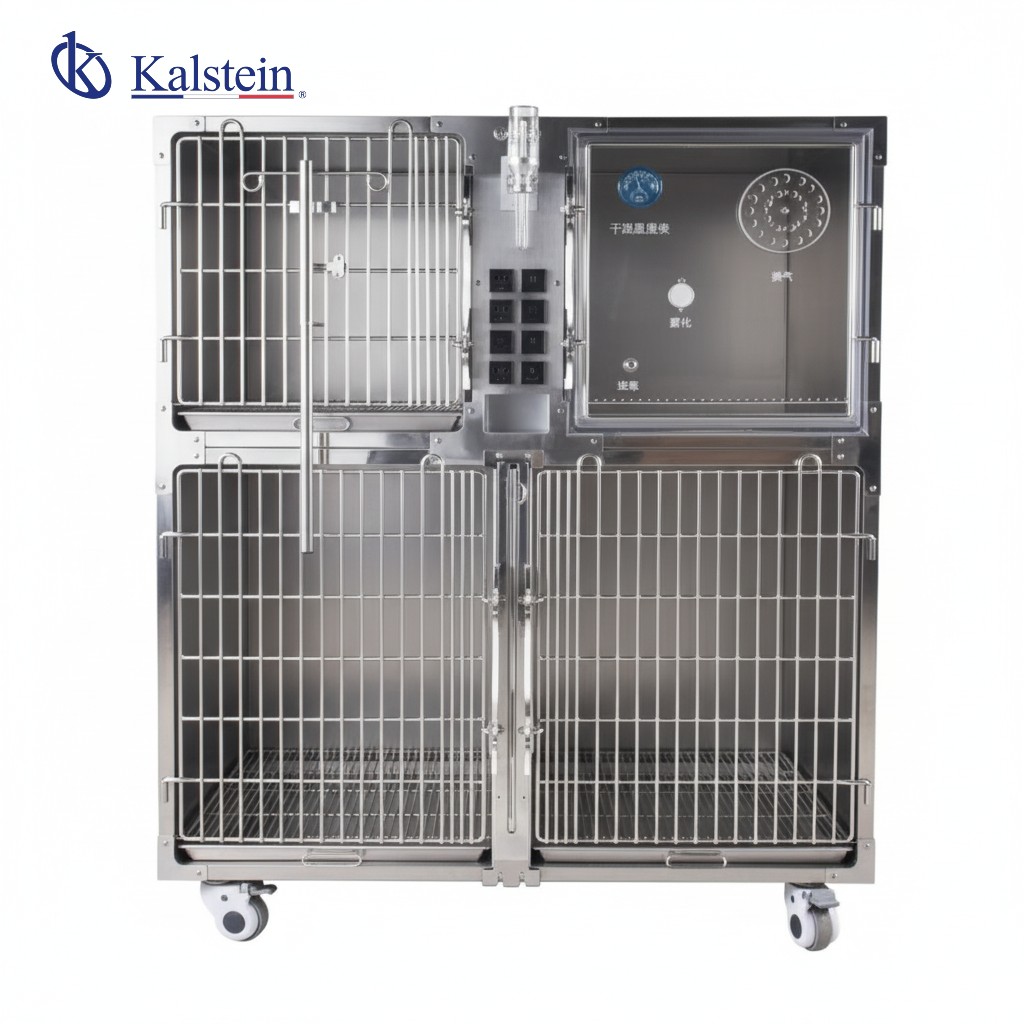
Veterinary ICU Unit by Kalstein
When it comes to providing intensive care for animals, a reliable Veterinary ICU Unit can make a world of difference. Kalstein has taken the responsibility of innovating in this area seriously, developing units that are both sophisticated and intuitive. With a reputation for creating high-quality medical equipment, this company continues to set a high standard. From my personal experience, Kalstein’s units stand out due to their efficient design and cutting-edge technology.
But what is it that makes these ICU units so special? The dedication to animal care and the thoughtful integration of modern features are palpable in each device. Over time, I’ve noticed how these units have become indispensable in veterinary clinics, thanks to their reliability and effectiveness. Today, we delve deeper into the characteristics, models, and value of these important tools in veterinary medicine.
Characteristics of the Veterinary ICU Unit
The Veterinary ICU Units are designed with particular attention to both functionality and ergonomics. Each unit comes equipped with features that not only ensure safety but also enhance ease of use. This makes it possible for veterinarians to focus on the animal’s needs rather than struggle with the equipment. For example, the integration of intuitive controls and digital displays allows for real-time monitoring of vital signs, facilitating better decision-making.
Additionally, these units are equipped with advanced ventilation systems to ensure that animals receive the necessary oxygen. Portability is another crucial aspect, allowing veterinarians to move the unit to where it’s needed most within the facility. Furthermore, the materials used in constructing these devices are durable and designed to withstand the rigors of a busy veterinary environment, making them a long-term investment for any clinic.
Different Models of the Veterinary ICU Unit
Kalstein offers several models of Veterinary ICU Units tailored to suit various clinical requirements. Each model is crafted with particular strengths, designed to cater to differing degrees of care needed by the patient. For instance, there are compact models suited for smaller clinics with space constraints, which nevertheless do not compromise on essential features.
On the other hand, larger models are optimized for facilities that handle higher volumes of animals or require more comprehensive monitoring capabilities. These models often come equipped with additional interfaces for further expanding diagnostic possibilities. From personal insight, I can attest that having access to various models allows clinics to choose the one that fits their specific scenario best, saving costs and maximizing efficiency.
Why Do Veterinary ICU Units Have This Price?
The pricing of Veterinary ICU Units reflects their advanced technology and robust construction. It’s important to understand that these units integrate some of the latest advancements in medical equipment, including precise monitoring and control systems. The technology involved in stable and reliable ventilation mechanisms and other critical functionalities is not inexpensive.
Moreover, the research and development behind each unit add to the cost, ensuring that every piece functions flawlessly and withstands constant use. For institutions committed to providing top-notch animal care, investing in high-quality equipment ensures safety and reliability in critical situations. The price is indicative of the value and performance these units consistently deliver.
Comparing Veterinary ICU Units to Competitors
When comparing Kalstein Veterinary ICU Units to those offered by competitors such as Midmark, Burtons, and Shor-Line, several distinctions become apparent. Kalstein’s units are celebrated for their seamless integration of advanced technologies and their user-friendly designs. This is an edge over Midmark, which, while producing reliable units, often lacks the same level of intuitive control systems.
On the other hand, while Burtons offers more cost-effective solutions, they frequently compromise on the sophistication and durability found in Kalstein’s offerings. Meanwhile, Shor-Line is known for robust construction, but their units tend to be bulkier, limiting mobility within facilities. Thus, veterinarians looking for a balance between technology, functionality, and flexibility often prefer Kalstein’s models.
Pros and Cons of the Veterinary ICU Unit
| Pros | Cons |
|---|---|
| Advanced monitoring systems | Higher initial investment |
| Intuitive controls | Occasional availability issues |
| Portable design | Requires regular maintenance |
| Durable construction materials | Training may be needed for optimal use |
| Robust ventilation systems | Size constraints for smaller models |
| Wide range of models | Spare parts can be expensive |
| Customizable interfaces | |
| Long-term investment value |
Benefits of Using Veterinary ICU Units
One cannot overstate the benefits of incorporating Veterinary ICU Units into a veterinary practice. These units drastically improve the quality of care that can be provided. Having reliable, precise monitoring tools allows for prompt and accurate intervention in critical situations, which can be life-saving. The advanced control systems integrated into these units also streamline operations, allowing staff to perform efficiently under pressure.
Moreover, the flexibility that comes with the portability of most models means that care isn’t limited to a single location. This allows for the extension of intensive care within various parts of a facility, further ensuring that all animals receive the attention they need. Clinics that have integrated these units often report higher levels of satisfaction from both staff and pet owners, reflecting their integral role in modern veterinary care.
Other Advantages of Veterinary ICU Units
Beyond basic functionality, the Veterinary ICU Units offer numerous other advantages. The technology embedded within promotes a proactive approach to animal care, emphasizing prevention and monitoring over reactive measures. This shift not only improves patient outcomes but also optimizes resource use, which can be particularly important for smaller practices where budgets and resources are tight.
The durability of these units also means that they stand as a long-term investment. Unlike other medical devices that may need frequent replacement, a well-maintained Veterinary ICU Unit can serve a clinic for many years. Additionally, the wide array of customizable options available makes it easier for veterinary clinics to adapt these units to specific needs, further enhancing their value.
References from Users of Veterinary ICU Units
Feedback from those who have used Kalstein’s Veterinary ICU Units is overwhelmingly positive. Many users highlight how these units have transformed their practices, allowing them to handle critical cases with greater confidence. I’ve read testimonials noting improved patient outcomes and increased efficiency in hospital operations due to the reliability and ease of use these units provide.
One veterinarian mentioned an instance where the unit’s precise monitoring helped detect an anomaly that might have otherwise gone unnoticed, effectively saving an animal’s life. Such anecdotes underscore the importance of investing in quality ICU units, painting a vivid picture of their practical impacts within veterinary medicine.
Frequently Asked Questions
What is the primary function of a Veterinary ICU Unit?
The primary function is to provide critical care and constant monitoring to animals that are in serious condition, offering vital support systems such as oxygen and ventilation.
How does the user interface enhance care?
The intuitive controls mean that veterinarians can easily monitor and adjust settings as needed, reducing reaction time in critical situations.
Are the units suitable for all types of animals?
Yes, they are designed to accommodate a wide range of animal sizes and species, making them versatile tools in any veterinary practice.
How does portability impact the unit’s performance?
Portability allows the unit to be used throughout different areas of a clinic, ensuring that specific care can be delivered across varied settings without losing functionality.
Are the units customizable?
Absolutely, many models come with customizable interfaces and settings that can be tailored to the specific needs of a clinic or patient cohort.
What kind of maintenance is required?
Routine maintenance involves regular checks to ensure that all systems function properly, which maintains the unit’s longevity and performance.
Final Recommendations on Veterinary ICU Units
When it comes to choosing a Veterinary ICU Unit, considering factors such as technology, adaptability, and reliability is crucial. Kalstein’s ICU Units provide an exceptional balance of these elements, making them a top choice for many veterinary practices. Whether you’re looking to improve the level of care in your clinic or seeking to invest in high-quality medical equipment, these units stand as a worthy investment, backed by reliable performance and positive user feedback. For more detailed information on these units, visit https://kalstein.de/category-product/veterinary-sector/veterinary-icu-unit/.