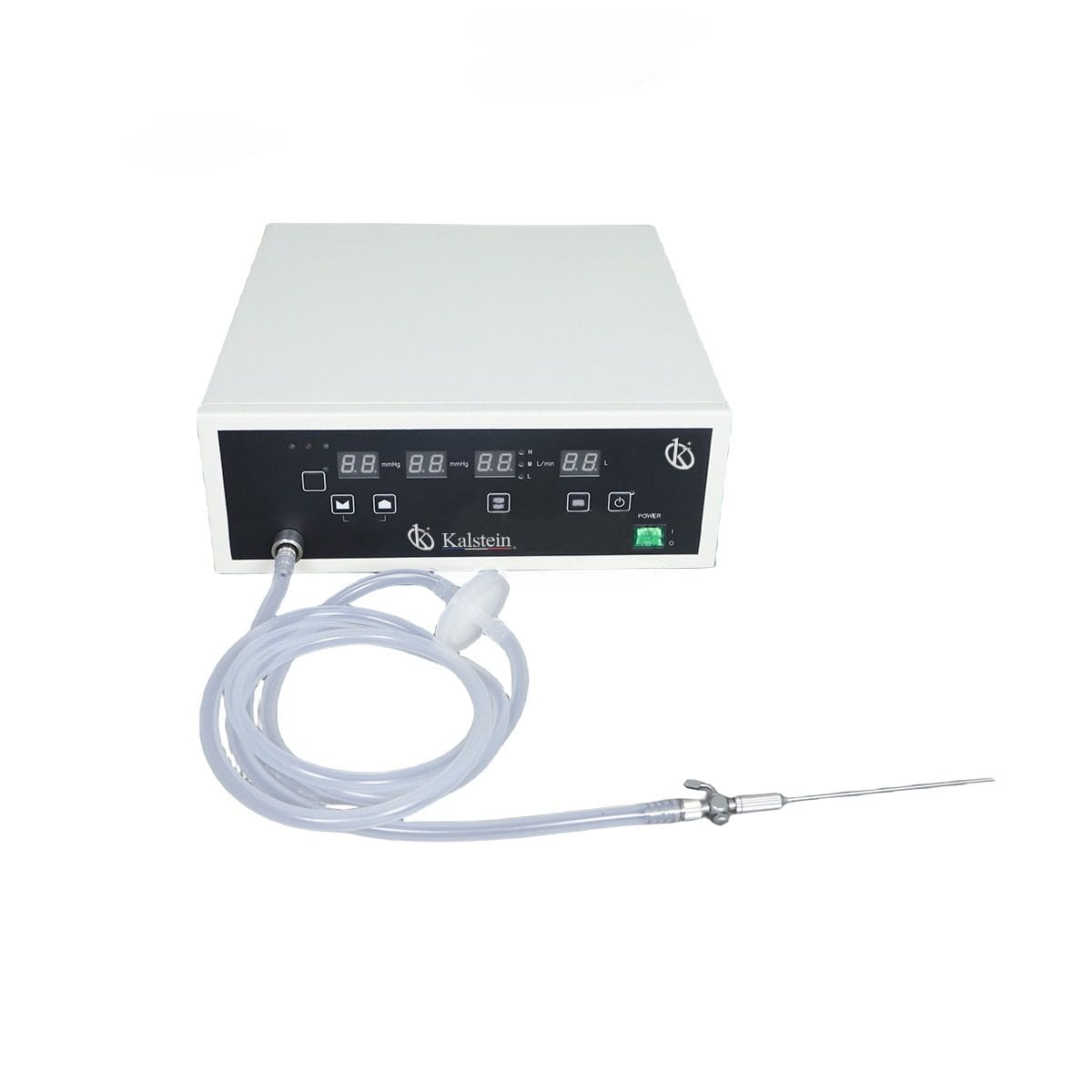
Veterinary Laparoscopy Systems: Practical Applications and Techniques 2026
What is it used for in 2026
In 2026, Veterinary Laparoscopy Systems are essential in minimally invasive surgical procedures for animals. They are widely used in veterinary clinics and hospitals for surgeries involving soft tissues, organ biopsies, and reproductive surgeries. These systems provide enhanced visualization and precision, significantly reducing recovery time and minimizing patient trauma.
History and evolution of the technology
The evolution of veterinary laparoscopy began in the late 20th century, with advancements in camera technology and insufflation methods. Initially, these systems were bulky and complex, making them less accessible for routine use. However, over the years, innovations in optics, portable imaging, and user-friendly interfaces have transformed laparoscopy into a standard practice in veterinary medicine. The introduction of high-definition imaging and ergonomic designs has further enhanced their usability and effectiveness.
How to use it step by step
Using a Veterinary Laparoscopy System involves several critical steps:
- Preparation: Ensure all necessary equipment is sterile and ready for use. This includes the insufflator, camera system, and surgical instruments.
- Patient Selection: Assess the animal's health and suitability for laparoscopic surgery. Preoperative imaging may be required.
- Insufflation: Connect the CO2 insufflator to create a pneumoperitoneum, allowing for better visibility during the procedure.
- Insertion: Use a trocar to insert the laparoscope into the abdominal cavity, ensuring proper placement under visual guidance.
- Procedure Execution: Conduct the surgical procedure while monitoring the video feed from the high-definition camera.
- Closure: Carefully remove instruments, deflate the abdomen, and close the incision sites with appropriate sutures.
Best techniques and protocols
The best practices in using Veterinary Laparoscopy include:
- Utilizing high-definition cameras for better visualization.
- Regular maintenance of insufflation equipment to ensure optimal performance.
- Training staff on laparoscopic techniques to ensure safety and efficacy.
- Implementing strict sterilization protocols to prevent postoperative infections.
Practical applications by laboratory type
Veterinary laparoscopy can be applied in various settings:
- Small Animal Clinics: Commonly used for spaying, neutering, and exploratory surgeries.
- Research Institutions: Employed in studies involving animal physiology and surgical outcomes.
- Veterinary Teaching Hospitals: Used as a training tool for students learning surgical techniques.
Regulations, standards and certifications
In 2026, compliance with regulations is crucial. Veterinary Laparoscopy Systems must adhere to standards set by organizations such as the American Veterinary Medical Association (AVMA) and the American Animal Hospital Association (AAHA). Certifications ensure that equipment meets safety and efficacy benchmarks, which is essential for maintaining trust in veterinary practices.
Comparison with alternative technologies
Alternatives to veterinary laparoscopy include traditional open surgeries and endoscopic techniques. While open surgeries are more invasive and have longer recovery times, endoscopic methods can offer similar benefits to laparoscopy but may lack the visibility and versatility provided by a full laparoscopic setup. Laparoscopy remains superior for its minimal invasiveness and shorter patient recovery periods.
Comparison of available models
| Model | Best for | Key specs | Recommended use case |
|---|---|---|---|
| YR06157 | Small animal procedures | Flow rate: 4L/min, 6L/min, 10L/min; Pressure range: 0.67kPa~3.30kPa | Best for surgeries requiring precise insufflation in small animals. |
| YR06156 | Imaging and diagnostics | Camera resolution: 1920*1080; LED light source power: ≥30W | Ideal for high-definition imaging during surgical procedures. |
| YR06158 | Large volume insufflation | Flow rate: 2L/min-40L/min; Power: 40VA | Recommended for extensive surgeries requiring rapid insufflation. |
Common mistakes and how to avoid them
Common pitfalls in using Veterinary Laparoscopy Systems include:
- Inadequate training of personnel can lead to misuse. Ensure continuous education and training.
- Improper sterilization can increase the risk of infection. Follow strict sterilization protocols.
- Failure to calibrate equipment regularly can lead to operational issues. Schedule routine maintenance checks.
Maintenance, calibration and good practices 2026
To ensure optimal performance, Veterinary Laparoscopy Systems should be maintained through:
- Regular calibration of all imaging and insufflation equipment.
- Systematic cleaning and sterilization after each procedure.
- Routine inspections to identify wear and tear on equipment.
Cost-benefit analysis 2026
The cost of investing in a Veterinary Laparoscopy System can be justified by:
- Reduced recovery time for patients, leading to higher turnover rates for clinics.
- Lower complication rates compared to traditional surgeries, reducing follow-up care costs.
- Enhanced surgical capabilities attracting more clients to veterinary practices.
Frequently asked questions
What factors should I consider when choosing a Veterinary Laparoscopy System?
Consider the size of the patients you will be treating, the types of surgeries you plan to perform, and the need for high-definition imaging. Evaluate the specifications of each model to ensure it meets your clinic's requirements.
How can I ensure proper sterilization of laparoscopic instruments?
Follow established sterilization protocols, using appropriate sterilants and ensuring that instruments are cleaned thoroughly before sterilization. Regularly audit your sterilization procedures to maintain high standards.
What are the benefits of using a CO2 insufflator in laparoscopy?
CO2 insufflators create a pneumoperitoneum, which provides a stable working space and better visualization for surgical procedures. They also minimize the risk of complications associated with gas embolism.
How often should I calibrate my Veterinary Laparoscopy System?
It is recommended to calibrate the system before each use and conduct a thorough calibration check at regular intervals, typically every few months, or as specified by the manufacturer.
Can laparoscopy be performed on all animal species?
While laparoscopy can be used in many species, it is most commonly applied in small animals such as dogs and cats. Large animals may require specific adaptations to the equipment and techniques used.
What training is necessary for veterinary staff using laparoscopy?
Veterinary staff should receive thorough training in laparoscopic techniques, equipment operation, and handling of instruments. Continuous professional development courses are also recommended to stay updated with advancements.
Is there a risk of complications with laparoscopic surgery?
While laparoscopic surgery is generally safer than traditional methods, there are still risks such as bleeding, infection, and injury to surrounding organs. Proper training and adherence to protocols can minimize these risks.
If you are looking for a fusion of innovation and quality, you have come to the right place. At Kalstein, we offer you the luxury of exploring our exclusive catalog of laboratory equipment. We manufacture every device to the highest standards of excellence. Our intuitive and seamless online purchasing channels are designed for your convenience, securing the most competitive prices. Hesitate no longer — we bring science to life, it is time to become part of our community.