
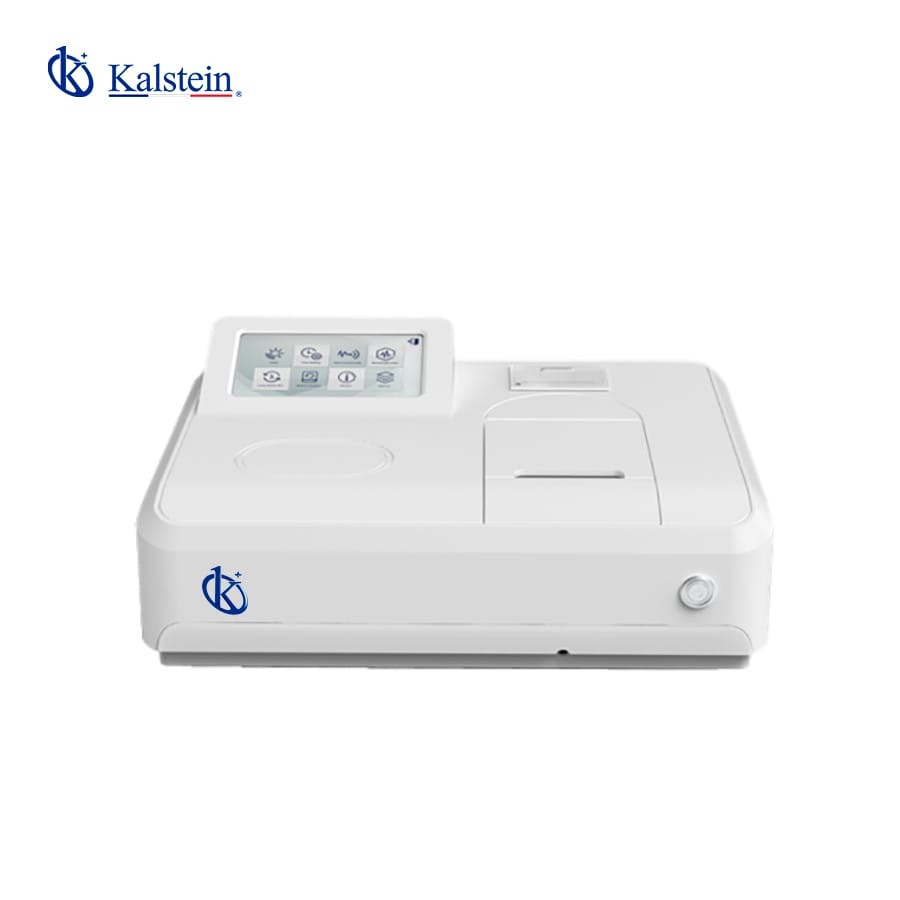
Turbidity Meter, Kalstein Brand
When it comes to precision and reliability in measuring the clarity of liquids, specifically water, the Turbidity Meters from Kalstein are at the forefront. Over the years, Kalstein has carved a niche for itself as a trusted manufacturer of laboratory equipment. Their commitment to quality and innovation distinguishes them in the vast world of scientific instruments.
Many have lauded Kalstein for their approach to product design, where usability and accuracy go hand in hand. Having personally tested their turbidity meters, I can attest to their user-friendly interface and accurate readings. The devices cater to professionals who require meticulous data for research or industrial applications, reinforcing Kalstein’s reputation for delivering dependable tools.
Characteristics of the Turbidity Meter
The standout feature of Kalstein’s Turbidity Meters is their unmatched precision. They are equipped with advanced optical systems that enable them to deliver quick and accurate readings. This is crucial for laboratories that conduct extensive water quality monitoring because even the smallest inconsistency can lead to significant discrepancies in data.
Another notable characteristic is their robustness. These devices are built to withstand the rigors of constant laboratory use, displaying longevity and minimal downtimes. The design is sleek and ergonomic, ensuring ease of use without compromising functionality. Furthermore, the meters have adaptable features allowing them to be used in various environments, making them suitable for both field and laboratory settings.
Different Types or Models of the Turbidity Meter
Kalstein offers a range of turbidity meters, each model tailored to meet different needs and budget considerations. The basic models are perfect for simple lab tasks, providing fundamental measurements without unnecessary frills. For those requiring more comprehensive data, advanced models offer additional features like data logging and enhanced sensitivity.
Among the various models, some are portable, allowing for field measurements. These portable versions are light yet sturdy and provide the same accuracy as their stationary counterparts. The diversity of models ensures that every professional can find a suitable device, from basic to sophisticated needs.
Why Does the Turbidity Meter Have This Price?
The pricing of Kalstein’s Turbidity Meters reflects the quality and technology embedded in these devices. Unlike cheaper alternatives in the market, Kalstein does not compromise on the components used in their manufacturing process. The high-quality optics and durable materials ensure longevity and precise results, justifying the investment.
Another factor contributing to the cost is the continuous innovation that Kalstein invests in. They are at the cutting edge of technology, constantly updating their models to include the latest scientific advancements, which naturally influences the overall cost but assures the end-users of acquiring state-of-the-art equipment.
Comparing the Turbidity Meter with Similar Products
In a comparative analysis, the Turbidity Meters from Kalstein stand their ground against competitors like Hach and LaMotte. While Hach offers robust meters, they often come with a heftier price tag. Kalstein provides a more affordable option without sacrificing quality. Similarly, LaMotte caters mainly to educational and simpler applications, whereas Kalstein offers more professional and advanced tools for rigorous applications.
Where Kalstein truly excels is in its balance of precision and value for money. Users often note that, compared to other brands like Thermo Fisher Scientific, Kalstein delivers comparable if not superior, functionality at a fraction of the price, making it an attractive choice for both new and seasoned scientists.
Pros and Cons of the Turbidity Meter
| Pros | Cons |
|---|---|
| Highly accurate measurements | Initial cost can be high for some budgets |
| User-friendly interface | Requires calibration for optimal accuracy |
| Robust build quality | Not as widely available in smaller markets |
| Versatile for field and lab use | Some models are bulkier than competitors |
| Wide range of models | Advanced features entail a learning curve |
| Reliable customer service | Spare parts availability may be limited to main distribution areas |
| Innovative features | |
| Value for money |
Benefits of Using These Turbidity Meters
An immediate benefit of using Kalstein’s Turbidity Meters is the peace of mind that comes with the accuracy and reliability of data. This accuracy means less time spent re-calibrating devices or cross-verifying results. For research institutions, this can significantly enhance productivity.
Furthermore, the wide range of models allows customization according to specific needs. When conducting various studies, being able to choose a device tailored to those needs is invaluable. Kalstein’s meters also come with excellent customer support, ensuring that help is always a phone call or email away, another worry off the mind of busy professionals.
Other Advantages of the Turbidity Meter
One of the noteworthy advantages is the intuitive design of Kalstein’s Turbidity Meters, reducing the learning curve typically associated with high-tech lab equipment. Whether you are a seasoned lab technician or a new intern, these devices are designed with every user in mind.
Moreover, the integration with modern data management systems makes them exceptionally compatible with laboratory information management systems (LIMS), facilitating smooth transitions from testing to data analysis. This ease of integration streamlines workflows, saving time and reducing human error in data interpretation.
References from Some Users About the Turbidity Meters
User feedback on Kalstein’s Turbidity Meters has been overwhelmingly positive. Many users appreciate the robust tech support and the reliability of readings. One researcher noted that after switching to Kalstein, their lab experienced fewer downtimes due to equipment failures.
Another user expressed satisfaction with the ergonomic design, mentioning how it reduced fatigue during long hours of testing. These meters’ durability also stands out, with users reporting years of consistent use without significant wear and tear, a testament to the quality of materials used.
Frequently Asked Questions
What level of accuracy can I expect from Kalstein’s Turbidity Meters?
The devices are engineered to provide precise measurements with minimal errors, thanks to their advanced optical systems.
Are these devices suitable for fieldwork?
Absolutely, several models are designed specifically for field operations, providing portability without compromising data accuracy.
How easy are they to integrate with existing laboratory software?
They are compatible with most LIMS and data management systems, facilitating effortless integration into your existing operations.
What kind of after-sales support does Kalstein provide?
Kalstein offers exceptional technical support and customer service to address any issues promptly.
Can these meters handle high-volume testing?
Yes, they are built for both low and high-volume testing, making them versatile for various laboratory workloads.
Is calibration frequently required?
Regular calibration is recommended to maintain optimal accuracy, though the process is straightforward and quick.
Final Recommendations for These Turbidity Meters
In conclusion, if precision, durability, and value for money are what you seek in a turbidity meter, Kalstein delivers on all fronts. These devices are suited for a wide array of applications, from simple classroom use to demanding industrial standards. Their ease of use and integration capabilities make them suitable for any laboratory environment. Certainly, they are a worthwhile investment for anyone serious about water analysis. For further information, visit https://kalstein.de/category-product/laboratory-line/turbidity-meter/.