Ensuring Biosafety Protocols for Laboratory Microscope Operators
Biosafety is a critical consideration in laboratory environments, especially when dealing with microscopes that are central to many scientific investigations. This article will delve deep into biosafety protocols and safe handling practices that laboratory microscope operators must adhere to in order to maintain a secure working environment. The focus will be on the specifications and features of different models to illustrate how they play a role in operational safety.
Understanding Biosafety Levels and Their Implications
Biosafety levels (BSLs) are a set of containment precautions required to isolate dangerous biological agents in an enclosed laboratory facility. The four levels of biosafety (BSL-1 to BSL-4) dictate the complex protocols and equipment necessary for safely handling biological materials. For laboratory microscope operators, being aware of these levels is crucial, as it influences their handling practices and the type of equipment they use.
BSL-1 and BSL-2 Precautions
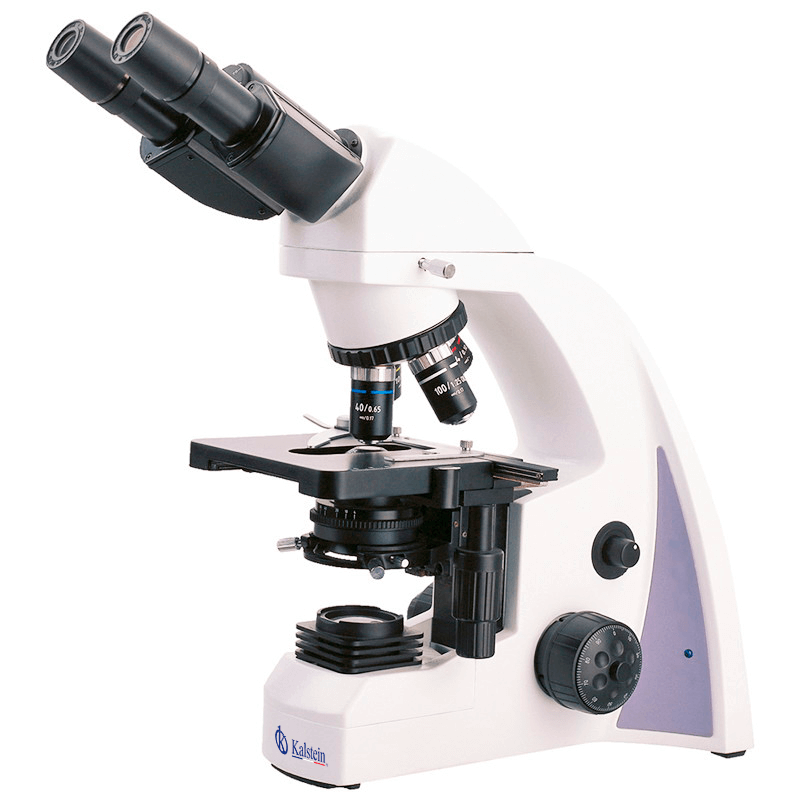
At BSL-1, the risk is minimal. Standard laboratory practices suffice: wearing lab coats and gloves, and ensuring proper waste disposal. BSL-2 requires more stringent measures like limited access and additional safety gear. Microscope operators at this level might utilize models such as Laboratory Microscope YR0237-0-1 which offers an adjustable condenser to aid in specimen handling with minimal contamination risk.
BSL-3 and BSL-4 Precautions
BSL-3 and BSL-4 involve significant risks, necessitating specialized equipment. For instance, BSL-4 laboratories require complete isolation and specific containment equipment. Effective microscope operation in these environments may include advanced models with enclosed systems to minimize exposure, enhancing safety for operators.
Key Components of Biosafety Protocols for Microscope Use
Implementing biosafety protocols involves multifaceted approaches. Here are essential components that laboratory professionals should incorporate:
- Personal Protective Equipment (PPE): Use of gloves, lab coats, face shields, and sometimes respirators is essential.
- Decontamination Procedures: Regular cleaning and decontamination of all laboratory surfaces, including microscopes, to prevent cross-contamination.
- Aerosol Containment: Utilizing equipment that minimizes aerosol production, especially with live cells or pathogens.
- Training and Documentation: Regular training for all personnel on biosafety protocols is imperative to ensure compliance.
Microscope Models and Their Safety Features
Different laboratory microscopes come with unique features that enhance operator safety and compliance with biosafety protocols. Below, we will discuss specific models and their applicability to biosafety considerations:
Laboratory Microscope YR0237-0-1
This model has a binocular head and wide-field eyepieces, making it user-friendly for operators. Its adjustable condenser enables precise focusing, reducing the risk of sample contamination. Its ergonomic design also supports prolonged use without discomfort.
Laboratory Microscope YR0237-1
The YR0237-1 features a trinocular head for easy photography or video documentation, which is useful for training and compliance documentation. Regular inspections and cleaning of its optical components help maintain biosafety.
Laboratory Microscope YR0237-1-1
This model also emphasizes ergonomic design, with fine and coarse focus knobs to facilitate better control during specimen examination. An adjustable light intensity feature helps in reducing glare and enhancing visibility while wearing protective eyewear.
Comparison of Available Models
| Model | Weight | Dimensions | Price (USD) | Best For |
|---|---|---|---|---|
| YR0237-0-1 | N/A | x x | 437.00 | Basic laboratory use with biosafety focus |
| YR0237-1 | N/A | x x | 491.00 | Advanced documentation and training purposes |
| YR0237-1-1 | N/A | x x | 448.10 | Ergonomic design for long-term use |
Common Mistakes and How to Avoid Them
Laboratory staff must be vigilant in maintaining biosafety standards. Common mistakes include improper use of PPE, overlooking decontamination procedures, and failing to document training sessions. Regular audits and refreshers on protocols can mitigate these issues.
Frequently Asked Questions
How do I ensure compliance with biosafety protocols when using laboratory microscopes?
To ensure compliance, operators should adhere to established biosafety protocols. Utilizing models like YR0237-0-1, which supports proper specimen handling, along with strict decontamination practices, is essential. Regular training and audits also help maintain compliance.
What personal protective equipment should I wear when using laboratory microscopes?
When using laboratory microscopes, it is important to wear gloves, lab coats, and safety goggles. Depending on the biosafety level, a face shield or respirator may also be required. Models like YR0237-1 provide enhanced safety features that support PPE usage.
Which laboratory microscope model is best for BSL-2 environments?
For BSL-2 environments, the Laboratory Microscope YR0237-1 is ideal. Its trinocular design allows for safe documentation while providing the necessary adjustments to minimize risk during sample examination, crucial for a BSL-2 setting.
How often should laboratory microscopes be decontaminated?
Laboratory microscopes should be decontaminated after every use, especially when handling pathogenic materials. Consistent cleaning using appropriate disinfectants is essential for models like YR0237-1-1 to ensure safety for operators.
What training is necessary for laboratory microscope operators?
Laboratory microscope operators should undergo training that includes biosafety protocols, proper handling techniques, and emergency procedures. Training sessions should be documented and updated regularly to ensure compliance with protocols.
How can I minimize aerosol exposure while using microscopes?
To minimize aerosol exposure, operators should use laboratory microscopes that have features designed to contain aerosols. Regularly maintaining models like YR0237-0-1, which provides better control over specimen handling protocols, is recommended.
What is the role of documentation in ensuring biosafety in laboratories?
Documentation plays a critical role in tracking compliance with biosafety protocols. Keeping detailed records of procedures, training, and maintenance for microscopes like YR0237-1 helps ensure a safe laboratory environment.
Where can I request a quote for laboratory microscope models?
To request a quote for laboratory microscope models and explore options that fit your laboratory's needs, you can reach out to our sales team for tailored solutions.
If you are looking for a fusion of innovation and quality, you have come to the right place. At Kalstein, we offer you the luxury of exploring our exclusive catalog of laboratory equipment. We manufacture every device to the highest standards of excellence. Our intuitive and seamless online purchasing channels are designed for your convenience, securing the most competitive prices. Hesitate no longer — we bring science to life, it is time to become part of our community.